

You want toys that challenge your cat’s brain and keep them moving, not ones that break after a day. I tested and researched options that spark hunting instincts, reward curiosity, and work when you’re busy so your clever cat stays active and happy.
Pick toys that match your cat’s play style—puzzle feeders for thinkers, motion toys for chasers, and durable designs for heavy chewers.
I will show which gadgets and puzzles actually hold attention, which encourage independent play, and which help you bond during short sessions.
You’ll learn quick tips to choose the right toy and get more playtime value without wasting money.
Benefits of Interactive Toys for Smart Cats
Interactive toys keep my cat’s mind busy, sharpen hunting skills, cut down on bad behaviors, help keep weight in check, and build a better bond between us.
Each toy plays a specific role, from puzzle feeders that slow eating to motion toys that trigger chase instincts.

Mental Stimulation and Enrichment
I use puzzle feeders, treat mazes, and electronic toys that mimic prey to give my cat real problem-solving work. These toys force her to figure out patterns, timing, and cause-and-effect to earn rewards, which keeps her focused and reduces idle time.
Rotating puzzles prevents boredom with repeated tasks. I choose toys with adjustable difficulty so she keeps learning as she masters levels. This prevents mental stagnation and lowers stress behaviors like over-grooming.
Simple changes also help: hiding treats in different spots or switching the toy’s mode every few days keeps her curiosity high. The result is a more alert, engaged cat that shows more natural hunting behavior inside the home.
Reducing Boredom and Destructive Behavior
Boredom often causes my cat to scratch furniture, chew cords, or pace. Interactive toys channel that energy into play and exploration instead of damaging the house.
I set daily play sessions with a mix of short bursts and longer sessions. Toys that deliver treats intermittently work best, because unpredictable rewards keep her coming back. That pattern reduces attention-seeking meows and midnight zoomies.
I also provide safe chewing options and hide some toys to keep them novel. Over time, I see fewer signs of stress or mischief when she has regular, engaging playtime.
Supporting Physical Health
Active play helps my cat keep a healthy weight and strong muscles. I pick toys that encourage running, jumping, and pouncing to mimic real hunting motions and boost cardio activity.
Interactive feeders slow eating and prevent bloat. I measure food portions for puzzles to match her daily calorie needs. This prevents overeating while still rewarding effort.
I watch for signs of fatigue or joint pain and swap high-impact toys for gentler options when needed. Regular, varied play maintains mobility and can reduce risks linked to obesity and inactivity.
Strengthening Bond With Owners
Playing together builds trust and improves communication between me and my cat. I use wand toys and interactive laser sessions where I control the challenge and timing to guide her success.
I praise and reward her when she solves puzzles or tries new moves. That positive feedback teaches her new behaviors and makes her more responsive to training, like coming on cue or using a specific toy instead of furniture.
Scheduling shared play gives us a predictable routine. That routine lowers anxiety and makes our relationship calmer and more cooperative over time.
Types of Interactive Toys for Cats
I focus on toys that challenge a cat’s brain, reward natural hunting behavior, and encourage movement. The three main types I recommend are hands-on puzzle feeders, automated motion toys, and focused light toys.
Puzzle Feeders and Treat Dispensers
I favor puzzle feeders that force a cat to think and work for food. Look for adjustable difficulty levels so you can start easy and increase the challenge. Common designs include wobble bowls, sliding panels, and hidden compartments.
These toys double as slow feeders, which helps prevent gulping and obesity. Use portion-controlled treats or a measured amount of kibble to avoid overfeeding. Materials matter: choose BPA-free plastic or solid wood for durability.
I place puzzles on stable surfaces to avoid spills and supervise new toys the first few times. Cleanability is important—removable parts that go in the dishwasher save time. Rotate different puzzles weekly to keep my cat engaged.
Electronic and Motion-Activated Toys
Electronic toys mimic prey movement without constant human effort. Options include motorized mice, fluttering feather arms, and battery-powered rolling balls that change direction on impact. I select toys with randomized motion to keep play unpredictable.
Battery life and noise level are key. Quieter motors reduce stress, while long battery life or USB charging cuts maintenance. Safety features like auto-shutoff after continuous use prevent overheating and over-stimulation.
I monitor my cat’s response: some cats love chasing automatic toys, while others prefer slower, human-led play. For multi-cat homes, choose toys designed for group play or run multiple units to prevent resource guarding.

Laser and Light-Based Toys
Laser pointers and automated light toys provide high-speed visual stimulation that triggers hunting instincts. I use lasers to practice quick bursts of activity, not long sessions, because a cat needs a tangible catch afterward.
To avoid frustration, end laser play with a physical reward—a treat or a toy the cat can capture. Automated wand lights that project moving dots or patterns can run on timers for short play sessions while I’m busy.
Safety-wise, never shine lasers into a cat’s eyes. Use models with stable beam patterns and on/off timers to prevent obsessive chasing. Rotate laser play with toys that offer tactile feedback to maintain a healthy balance.
Top Electronic Interactive Toys for Smart Cats
I focus on toys that move, think, or can be programmed to match a cat’s hunting drive. Each option below targets tracking, pouncing, or problem-solving skills and can keep a smart cat busy without constant human help.
Robotic Mice and Moving Prey
I recommend robotic mice that mimic real prey movement—zigzagging, pausing, and hiding under furniture. Look for models with randomized motion patterns so your cat cannot predict the path. Variable speeds are important for cats that like short bursts of chase versus long stalks.
Safety features matter: soft outer shells, low-noise motors, and automatic shutoff if the toy gets stuck. Battery life and replaceable batteries or a rechargeable pack affect how often you’ll charge and whether the toy runs during your workday. I also watch for waterproofing or sealed electronics if my cat drools or plays near water.
I find toys with scent or feather attachments increase interest. Some let you control motion with a remote or smartphone app, which is useful to vary play without getting up.
Automatic Ball Launchers
Automatic ball launchers give cats repeated fetch-style chases while training them to return the ball. Choose launchers that work with soft foam or felt balls sized for a cat’s mouth to avoid choking risks. Adjustable launch distance keeps play safe indoors.
Sensors that detect a cat’s presence or ball return avoid jams and reduce scaredy-cat reactions. I prefer units with quiet motors so my cat stays engaged rather than startled. Ease of cleaning matters too; removable trays and simple ball-loading save time.
Consider power options: mains power for long sessions or battery backup for portability. Some models include timing modes so you can schedule short play sessions during the day.
Programmable Feather Spinners
Feather spinners spin or flutter on a base and tempt cats to jump and swipe. Programmable models let you change spin speed, direction, and intervals to prevent boredom. I look for units with multiple attachment points so you can swap feather types and lengths.
Durability is key since claws wear down flimsy parts. Metal shafts and reinforced mounts last longer than thin plastic. I check for stable bases to stop the toy from tipping when a cat lunges.
Noise level and ease of cleaning matter. Removable feather heads make washing simple. Programmable timers and motion sensors keep play varied and help the spinner run only when your cat is nearby.
Best Puzzle and Enrichment Toys
I pick toys that force thinking, slow eating, or combine movement with problem solving. The right puzzle improves hunting skills, reduces boredom, and can stop fast eating.
Food Puzzle Games
I favor puzzles with multiple compartments or adjustable difficulty. Look for ones with 8–16 wells or sliding lids so you can hide dry kibble and increase challenge as your cat learns.
Use ceramic or BPA-free plastic for safety and choose pieces that resist chewing. Start with easy settings so your cat finds success, then add complexity by closing some holes or using smaller kibble.
Cleanability matters. Removable trays and dishwasher-safe parts make daily use simple and reduce mold risk. Rotate puzzles weekly to keep novelty high.
Multi-Level Track Toys
I recommend tracks with balls, rolling prey, or hidden treats that move unpredictably. Tracks should snap together securely and include noise-dampening inserts if your cat is sensitive to sound.
Look for varied track widths and obstacles to change the ball’s speed. Some designs allow you to upgrade pieces or add tunnels. This keeps the toy interesting without buying a whole new set.
Inspect seams and connectors often. Broken parts can jam or expose small pieces. Replace worn balls and check that openings don’t trap claws.
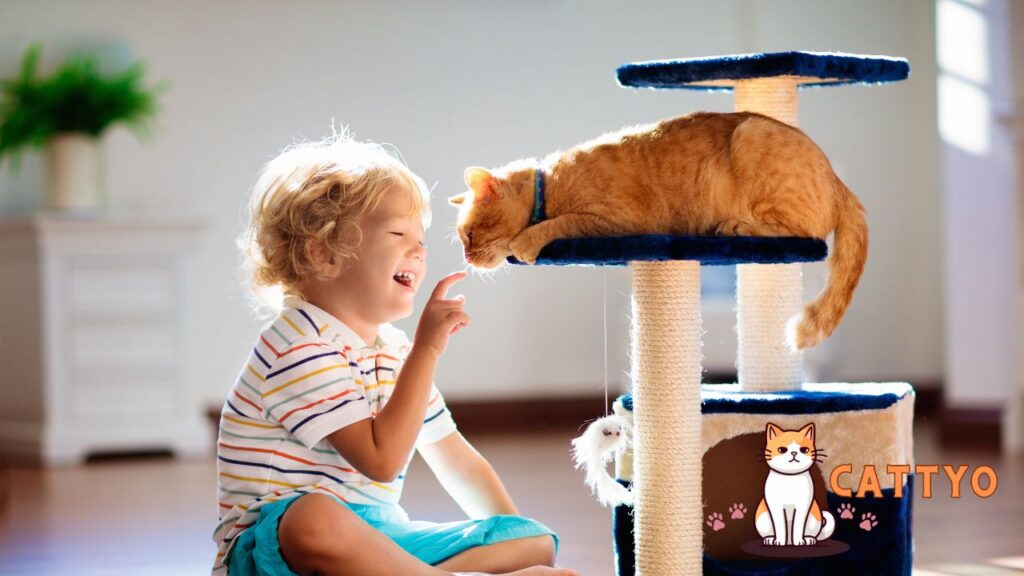
Interactive Towers
I choose towers that combine perches, dangling toys, and internal puzzle chambers. Towers that include modular puzzle boxes let the cat climb, bat, and forage in one place.
Height and stability are key. A wide base and low center of gravity prevent tipping. Use sisal or corrugated materials on scratching surfaces to add durable texture.
Place a tower near a window or favorite room so your cat uses it more. Add scent or a small amount of food in puzzle chambers to encourage exploration.
Interactive Toys for Independent Play
I pick toys that keep my cat busy without my help. I focus on things that move unpredictably, offer treats or puzzles, and use safe, durable materials.
Self-Play Toys
I choose toys that invite my cat to chase, pounce, or problem-solve alone. Examples include treat-dispensing balls, puzzle feeders, and toy mice with hidden compartments. These encourage hunting behavior and slow down eating when treats or kibble are used.
Durability matters. I look for hard plastic or reinforced fabric and avoid small parts that can detach. Size should fit my cat’s mouth and paws so they can bat or carry the toy easily.
I rotate toys weekly to keep interest high. I also check mechanisms and batteries often. If a toy becomes dull, I swap it for a different style or refill it with new treats.
Timed Activity Centers
I use timed activity centers to create play sessions throughout the day. These devices release treats or activate moving parts at set intervals, which helps mimic natural hunting cycles and prevents boredom.
When choosing one, I check the timer range and treat capacity. A good unit offers adjustable intervals and several difficulty levels. I prefer models with washable trays and secure lids to keep food fresh and clean.
Safety is key. I avoid centers with exposed motors or sharp edges. I also make sure the food portion per release matches my cat’s diet so I don’t overfeed during automatic sessions.
Motion-Sensing Balls
Motion-sensing balls react to a cat’s touch and move unpredictably, prompting chases and pounces. I favor balls with two speed settings and randomized movement patterns to better mimic prey.
Battery life and sound are important to me. I pick quieter motors and long-lasting batteries so my cat plays longer without startling noises. If the ball floats or is waterproof, it adds another play option for water-curious cats.
I supervise initial use to ensure my cat doesn’t chew the casing. I also clean the ball regularly and replace batteries before performance drops, since reduced motion can make the toy less engaging.
Social and Bonding Interactive Cat Toys
I focus on toys that deepen the bond between me and my cat while giving her a mental and physical workout. These toys ask me to be present and to match my cat’s energy and curiosity.
Wand and Teaser Toys
I use wand toys to mimic prey movement and to guide my cat through short bursts of hunting behavior. Choose a wand with a long, flexible pole and a secure attachment—feathers, faux fur, or ribbon—that won’t detach during play. Swap attachments often to keep the toy novel.
I move the wand in short, unpredictable patterns: twitches, pauses, and quick darts. End each session with a catch-and-reward by letting my cat grab the toy briefly or offering a small treat. This gives a real sense of success and reduces frustration.
Safety matters. I never leave wands with strings where my cat can chew or get tangled. I store them out of reach and inspect attachments for wear before play.
Interactive Play Mats
I pick play mats that combine textures, hiding spots, and treat puzzles to keep my cat engaged without constant hands-on direction. Look for mats with pockets, crinkle sections, and interchangeable pieces so I can change the challenge over time.
I scatter dry treats or kibble in hidden pouches and under flaps to encourage foraging. This slows down eating and stimulates problem-solving. Rotate mats weekly to keep my cat interested.
Cleaning is simple: choose mats with removable, washable covers or wipeable surfaces. Durable stitching and non-toxic materials help the mat last through repeated use and rougher play.
Selecting the Right Interactive Toy for Smart Cats
I focus on three main things when choosing toys: how my cat behaves, whether the toy is safe and built to last, and if the toy fits my cat’s age and energy level. I look for toys that match those needs so play stays fun and useful.
Considering Your Cat’s Personality
I first watch how my cat plays. Is she a stalker who likes quiet ambushes, or an extrovert who chases anything that moves? For a stalker, I pick hide-and-seek toys, puzzle feeders, or slow-moving motor toys that mimic prey. For an extrovert, I choose erratic motion toys, automated feather wands, or self-rolling balls.
I also note persistence and frustration tolerance. If my cat gives up quickly, I use lower-difficulty puzzles and toys with frequent small rewards. For a hunter who persists, I increase challenge with multi-step puzzle feeders or toys that change patterns.
Finally, I match toy size and speed to my cat’s play style. Small, fast toys suit quick pouncers. Slower, larger targets suit cats that bat and hold prey.
Material Safety and Durability
I always check labels for non-toxic materials and avoid loose parts that could be swallowed. Look for silicone, heavy-duty plastic labeled BPA-free, or stitched fabrics without small embellishments. Avoid thin plastic or glued-on eyes.
Durability matters because rough play will split weak seams or break thin parts. I prefer toys with reinforced stitching, chew-resistant plastics, and replaceable batteries or parts. For mechanical toys, waterproofing and sealed battery compartments reduce hazards.
Cleanability affects safety too. I choose toys that wash easily—machine-washable fabric covers or parts that rinse under water. Regular inspection is key: I discard anything with tears, exposed wiring, or missing pieces.
Age-Appropriate Choices
Kittens need toys that build coordination and bite inhibition. I pick lightweight wand toys, soft fabric mice, and simple treat puzzles sized to their mouths. Avoid small parts that pose choking risks.
Adult cats benefit from higher-challenge toys: timed puzzle feeders, motion-activated balls, and interactive laser toys used briefly. I match challenge level to activity: some adults need high-intensity chase toys, others prefer longer, slower problem-solving play.
Senior cats need gentler toys that still stimulate the mind. I choose low-impact rollers, slow-moving automated toys, and easy-to-open puzzle feeders. Soft textures help arthritic jaws, and quieter motors avoid startling them.
DIY Interactive Toy Ideas for Clever Cats
I focus on toys that challenge your cat’s thinking, reward them with food or motion, and use safe, easy-to-find materials. Below I give step-by-step ideas you can make quickly and adjust to your cat’s skill level.
Homemade Puzzle Feeders
I turn common containers into feeders that slow eating and spark hunting instincts. A plastic bottle feeder works well: cut small holes just big enough for kibble to fall out when rolled. Tape edges smooth and test with a few pieces before giving it to your cat.
A muffin tin plus tennis balls makes a quick puzzle. Place treats in the wells and cover some with balls so your cat must move them to get the food. For a level-up, wedge small cardboard tubes in a shallow box and hide treats inside each tube.
Safety tips:
- Use non-toxic glue or tape.
- Remove small parts that could be chewed off.
- Supervise initial play sessions to check wear.
Repurposed Household Objects
I repurpose items like cardboard boxes, toilet-paper rolls, and egg cartons to make enrichment toys with no cost. Fold a box into tunnels and peek-holes for ambush play. Cut toilet-paper rolls into rings, stack them, and hide bits of crinkled paper or treats inside for a foraging game.
An egg carton becomes a scent-search toy when you place different-smelling cotton balls in the cups. Close the lid and let your cat sniff and paw to find the most enticing cup. For durability, glue several boxes together and cover edges with duct tape.
Quick checklist:
- Inspect for sharp edges.
- Keep pieces larger than your cat’s mouth.
- Replace worn items regularly.
Simple Craft-Based Toys
I make toys from felt, yarn, and feathers that stimulate batting and stalking. Sew small felt pouches and stuff them with catnip or silvervine. Stitch edges twice for strength and remove any loose threads before use. A wand toy is easy: tie feathers and ribbon to a dowel, and wrap the binding with hot glue for a secure finish.
For a quiet option, stitch a flat fabric mouse, stuff lightly, and add a bell only if your cat likes sound. Use embroidery floss or strong thread and double-stitch seams. Rotate craft toys weekly to keep interest high and check for loose parts after each session.
Tips for Maximizing Engagement With Interactive Toys
I focus on clear steps that keep play fresh, safe, and stimulating. Use small routines, supervise risky toys, and shape the play space to match your cat’s energy and skills.
Toy Rotation and Variety
I rotate toys every 3–7 days to keep interest high. Put out one or two favorites and swap in a new or hidden toy each rotation. Keep a small storage box so toys feel “new” when reintroduced.
I mix types: puzzles for foraging, motorized toys for chase, and wand toys for interactive work. Adjust the mix based on what my cat prefers and how active they are that week. For example, use more puzzles after meals and motorized balls when they need exercise.
Inspect toys at each swap. Toss anything with loose parts, frayed fabric, or chewed plastic. Replace batteries in motorized toys on a schedule to avoid abrupt stops that frustrate the cat.
Supervised vs. Unsupervised Play
I never leave string, yarn, small parts, or damaged toys out unsupervised. These items pose choking and intestinal risks. Use wand toys and string only during short supervised sessions.
For unsupervised play, I choose sturdy, enclosed toys: treat-dispensing puzzles, solid silicone balls, or automated toys with safe casings. Set timers on automated toys so they run in short bursts rather than continuously, which reduces wear and keeps the cat curious.
If a toy shows signs of stress (overheating, odd noise), I remove it immediately. I also monitor how my cat plays: frantic or obsessive play can mean boredom or stress, so I cut sessions shorter and swap to calmer puzzles.
Creating a Stimulating Play Environment
I arrange multiple play zones: a high-perch lookout, a floor-level chase area, and a quiet corner for puzzle feeding. Place toys where my cat already spends time to boost chances of use.
I use scent and sound to add interest. Rub a new toy with a familiar blanket or add a sprinkle of catnip when appropriate. For shy cats, I introduce motion toys behind a low barrier so the cat can approach at their own pace.
I keep play predictable yet varied. I schedule short play times—5–10 minutes—several times a day. This matches a cat’s natural bursts of activity and prevents overstimulation.