

I love cats. And I also love learning how science helps them live longer and happier lives.
In the last few years, new cat health research has changed how veterinarians and cat owners care for cats.
We now know more about nutrition, behavior, disease prevention, and aging than ever before.
In this article, I will explain the latest cat health research in simple words.
I will also show you how these discoveries can help you take better care of your cat at home.
Everything here is based on modern veterinary studies, expert insights, and science-backed findings.
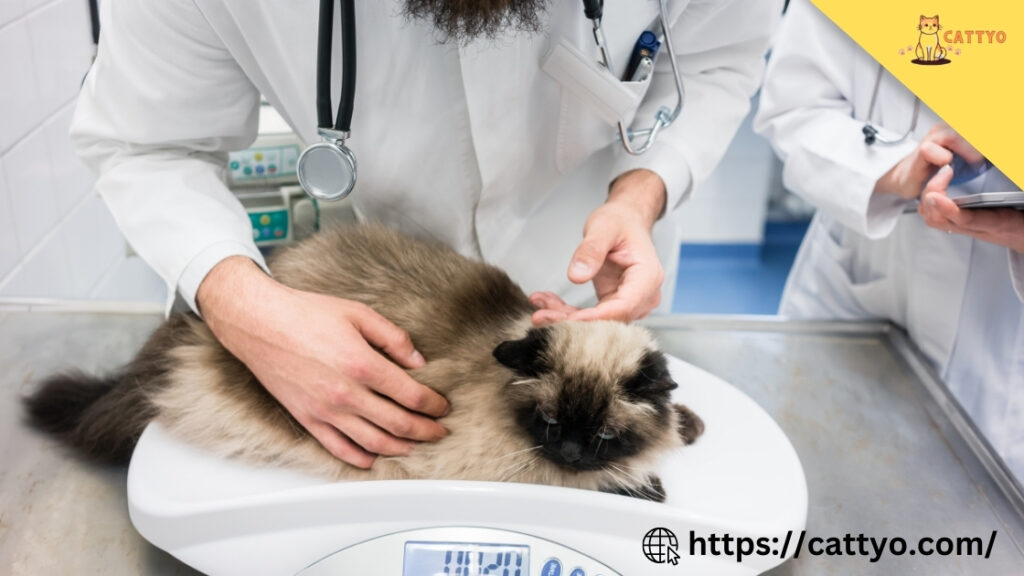
Why New Cat Health Research Is So Important Today
Cats are living longer lives now. Many indoor cats live 15, 18, or even 20 years.
Because of this, researchers are focusing more on:
- Preventing disease early
- Improving quality of life
- Reducing stress and pain
- Supporting healthy aging
Old advice is no longer enough.
New science helps us understand cats better, both physically and mentally.
That is why new cat health research matters so much today.
How Cat Health Research Has Changed Over the Years
In the past, cat care was mostly reactive.
Vets treated problems after cats became sick.
Now, research focuses on prevention and early detection.
Here are some major changes:
- From basic diets to personalized nutrition
- From late diagnosis to early screening
- From ignoring mental health to studying cat stress
- From short lifespans to longevity science
Technology, data, and better studies are driving this progress.
Latest Breakthroughs in New Cat Health Research (2025–2026)
This is where things get exciting.
New Research on Cat Nutrition
Modern studies show that one diet does not fit all cats.
Researchers are now studying:
- Gut microbiome health
- Protein quality over quantity
- Food sensitivity and inflammation
- Age-specific nutrition
Some key findings include:
- A healthy gut improves immunity
- Poor digestion can affect mood and behavior
- Overfeeding is more dangerous than underfeeding
New research supports balanced, species-appropriate diets, not extreme trends.
New Advances in Cat Disease Detection
Early detection saves lives.
Recent research focuses on:
- Early kidney disease markers
- Blood tests that detect illness sooner
- Improved imaging tools
- Home monitoring solutions
Kidney disease, for example, can now be detected months or years earlier than before.
This allows vets to slow disease progression and improve life quality.
Mental Health and Behavior Research in Cats
Cat mental health was ignored for years. That has changed.
New studies show that:
- Stress weakens the immune system
- Anxiety can cause physical illness
- Boredom leads to destructive behavior
Researchers now study:
- Environmental enrichment
- Multi-cat household stress
- Human-cat bonding
Simple changes, like play routines and safe spaces, can improve both behavior and health.
Longevity and Aging Research in Cats
Cats are aging differently than before. cat health research focuses on:
- Reducing chronic inflammation
- Supporting joint health
- Preventing cognitive decline
- Managing senior cat nutrition
Studies suggest that small daily habits can greatly extend a cat’s healthy years.
This includes diet, activity, and stress reduction.

How Veterinarians Use New Cat Health Research
Veterinarians rely on research to update their care methods.
Today, many vets use:
- Preventive screening plans
- Evidence-based nutrition advice
- Early behavioral assessments
- Personalized health monitoring
Modern vet care is no longer “one visit per year.”
It is ongoing and proactive.
This research helps vets make safer and smarter decisions.
What New Cat Health Research Means for Cat Owners
You do not need to be a scientist to help your cat.
Here is what you can do now:
- Feed a balanced, research-backed diet
- Watch small behavior changes
- Schedule regular vet checkups
- Reduce stress in your cat’s environment
- Avoid viral pet health myths
Small changes based on science make a big difference.
Common Cat Health Myths vs Research-Backed Facts
Many myths still harm cats.
Let’s clear a few up.
Myth: Indoor cats do not need vet visits
Fact: Indoor cats can still develop serious diseases
Myth: Grain-free food is always better
Fact: Quality and balance matter more than labels
Myth: Cats hide pain, so they are fine
Fact: Cats hide pain, which makes observation critical
Science helps separate truth from trend.
How to Identify Reliable Cat Health Research Online
Not all information is trustworthy.
Here is how I check reliability:
- Is the source a veterinary journal or university?
- Are claims supported by studies?
- Does the article avoid extreme promises?
- Are risks and limits explained?
If something sounds too good to be true, it usually is.
Future Trends in Cat Health Research
The future of cat care looks promising.
Researchers are working on:
- AI-assisted diagnosis
- Genetic health screening
- Wearable health trackers
- Personalized treatment plans
These innovations aim to prevent illness before it starts.
Expert Responsibility and Medical Disclaimer
I research and explain cat health topics carefully.
However, this article is not medical advice.
Always consult a licensed veterinarian before making health decisions for your cat.
Science supports informed care, not self-diagnosis.
Frequently Asked Questions About New Cat Health Research
What is the latest research in cat health?
Recent research focuses on nutrition, mental health, early disease detection, and longevity.
Are there new treatments for common cat diseases?
Yes. Early detection and updated therapies improve outcomes for many conditions.
How often does cat health research change?
New findings appear every year, especially in nutrition and preventive care.
Can cat owners trust online cat health articles?
Only if they are evidence-based and reference veterinary science.
Does new research apply to indoor cats?
Yes. Most modern research focuses specifically on indoor cats.
Final Thoughts
New cat health research is changing how we care for cats. Science now helps us:
- Prevent illness
- Improve daily comfort
- Extend healthy lifespans
- Strengthen the human-cat bond
When we follow evidence instead of myths, cats live better lives And that is always worth it