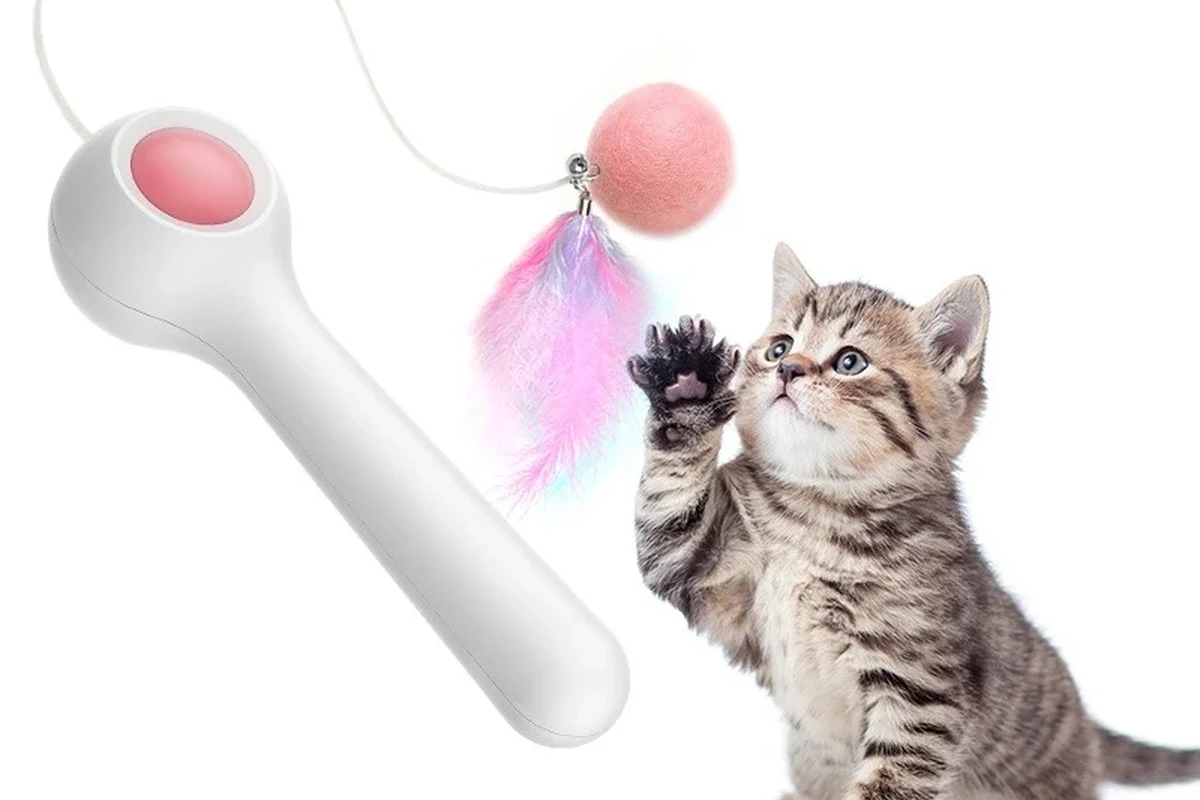
Yes, feathers on cat toys can be safe for your pets’ health if used correctly. However, supervision during play is essential to prevent accidental ingestion or injury.
Last updated: October 30, 2026
Feather toys are a popular choice for cat owners looking to entertain their pets. However, many wonder, “are feathers on cat toys safe?” Understanding the safety of these toys is critical for ensuring your cat’s health and well-being. This article explores the potential hazards of feather toys, how to use them safely, and what alternatives may be available. You can also use are scentsy products safe for cats as a helpful next guide on the same cat-care topic.
- Supervision is Key: Always watch your cat while they play with feather toys.
- Check for Damage: Regularly inspect toys for wear and tear to prevent choking hazards.
- Choose Quality Materials: Opt for toys made from non-toxic materials to ensure safety.
- Be Aware of Allergies: Monitor your cat for any allergic reactions to feather materials.
Are Feathers on Cat Toys Safe?
Generally, feathers on cat toys can be safe if used appropriately. However, it’s essential to supervise your cat during playtime to avoid potential risks like choking or ingestion of small parts. Always choose high-quality toys made from non-toxic materials to ensure your cat’s safety. This connects closely with is wet food better for cat health if diet or appetite is part of the issue.
Use this guide for are feathers on cat toys safe as a practical checklist, then adjust the advice to your cat’s age, health history, routine, and home environment.
Potential Hazards of Feather Toys
While feather toys can provide hours of entertainment, they come with certain risks. Understanding these hazards can help you make informed decisions about the toys you choose for your cat. For feeding context, you may also want to read is royal canin good for cat health.
Choking and Ingestion Risks
One of the main concerns with feather toys is the risk of choking. If a toy breaks apart, your cat may swallow small pieces, leading to serious health issues. Always inspect toys for wear and tear to prevent such incidents.
Allergic Reactions
Some cats may be allergic to feathers. Signs of an allergy can include sneezing, itching, or gastrointestinal upset. If you notice these symptoms, consult your veterinarian to determine the best course of action. For related context, you may also want to read are there health risks with feeding a cat raw food.
Cats often show discomfort through small changes in appetite, litter box use, grooming, hiding, play, or body language before the problem looks obvious.
Safe Use of Feather Toys
To ensure that feather toys are a safe addition to your cat’s playtime, follow these guidelines for their use. For feeding context, you may also want to read do siamese cats have health issues best guide for cat lovers.
| Guideline | Description |
|---|---|
| Regular Inspection | Check feather toys regularly for wear and tear to prevent ingestion of loose parts. |
| Supervised Play | Always supervise your cat during playtime with feather toys to ensure safety. |
| Age Appropriateness | Use feather toys suitable for your cat’s age and play style to reduce risk of injury. |
| Material Check | Ensure feathers are sourced from safe materials and are non-toxic for your cat. |
- Always supervise your cat while they play with feather toys.
- Inspect toys regularly for damage or missing parts.
- Choose high-quality, non-toxic materials for your feather toys.
- Introduce one food change at a time.
- Measure portions instead of free-guessing amounts.
- Store food tightly sealed and discard anything that smells stale.
Alternatives to Feather Toys
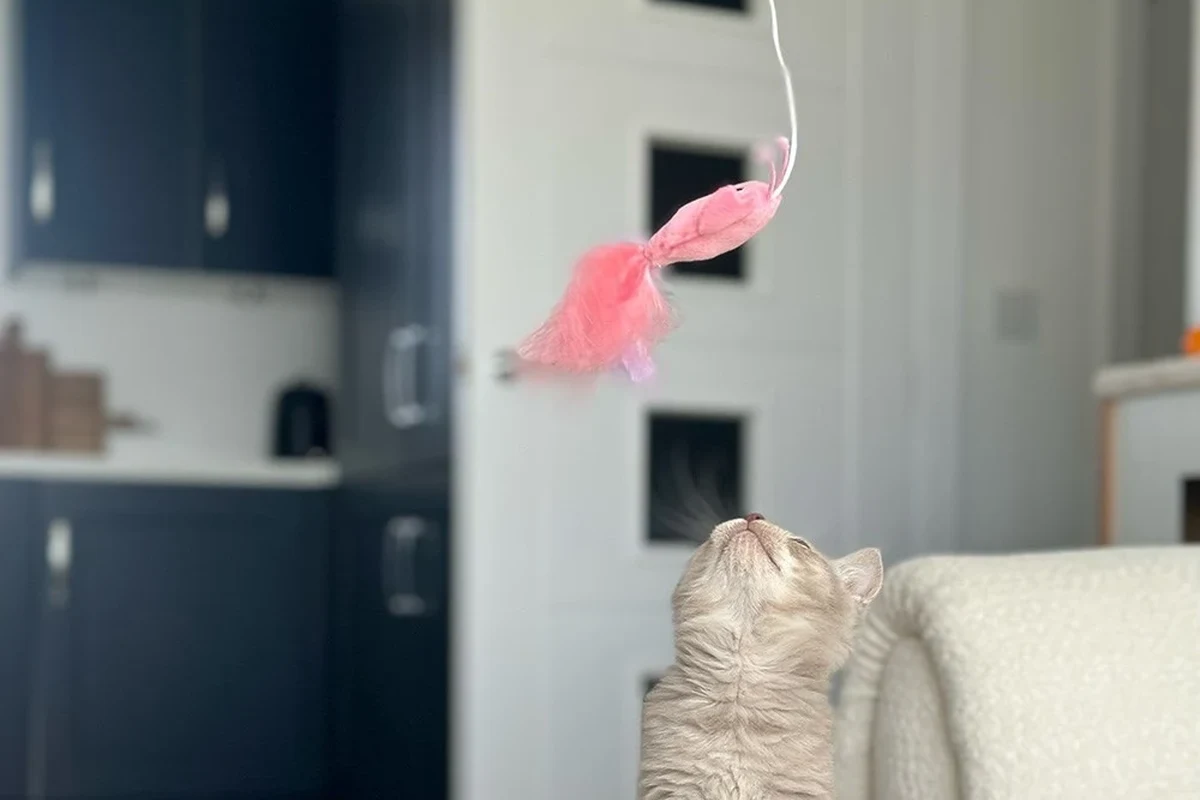
If you’re concerned about the safety of feather toys, there are several alternatives that can also provide engaging play experiences for your cat. what are meat by products in cat food goes deeper into the diet side of this topic.
| Option | Best For | What to Check |
|---|---|---|
| Fabric Toys | Cats that like to cuddle and carry | Ensure no small parts can be swallowed |
| Rubber Toys | Cats that enjoy chewing | Inspect for damage regularly |
| Interactive Toys | Cats needing mental stimulation | Choose those with no removable parts |
Ask your veterinarian before changing food for kittens, senior cats, pregnant cats, cats with chronic disease, or cats with repeated vomiting, diarrhea, weight loss, or appetite changes.
How to Monitor Your Cat’s Playtime
Monitoring your cat’s playtime is essential to ensuring their safety. Here are a few tips to help you keep an eye on their activities:
Watch for signs of distress or discomfort during play. Limit playtime to avoid overstimulation. Rotate toys to maintain interest and reduce the risk of obsession. are meat by products bad for cats is a useful related read on this.
This guide on are feathers on cat toys safe is written for general cat-owner education. For symptoms, food safety, recalls, medication, product specifications, or urgent changes, confirm details with a veterinarian, product label, official manual, manufacturer notice, or current recall source before acting.
Making Sense of Are feathers on cat toys safe
are feathers on cat toys safe is mainly about matching the food or feeding choice to your cat’s life stage, digestion, health history, and routine. Labels, ingredients, transition speed, and veterinary advice matter more than one-size-fits-all rules. This connects closely with are method cleaning products safe for cats if diet or appetite is part of the issue.
- Check the label and life-stage suitability before changing food.
- Transition slowly unless your veterinarian says otherwise.
- Watch appetite, stool, vomiting, skin, coat, and energy changes.
Final Words
Feathers on cat toys can be safe for your pets if used responsibly. Always supervise your cat during play, inspect toys regularly, and consider alternatives if you have concerns. By taking these precautions, you can ensure your cat has a safe and enjoyable play experience.
🐾 Sufiya Begom's Tip: Every cat is different, so I always watch my own cats closely before assuming the worst. Small changes in appetite, grooming, or energy often mean something simple is going on — but if anything feels off for more than a day, it is always worth a quick check with your vet. Trust your instincts as a cat owner.
Frequently Asked Questions
Yes, if a feather toy breaks apart, it can pose a choking hazard. Always supervise your cat during play.
Replace feather toys if they show signs of wear or damage to prevent ingestion of loose parts.
Some cats may be allergic to feathers. Watch for symptoms like sneezing or itchiness.
If your cat swallows a feather, monitor for signs of distress and consult a veterinarian if necessary.
Yes, consider using fabric or rubber toys that do not contain small removable parts.
Regularly inspect toys, supervise play, and choose high-quality, non-toxic materials for safety.