No, feather toys are not inherently bad for cats, but there are safety concerns to consider. Proper supervision and choosing high-quality toys can enhance playtime while minimizing risks.
Last updated: October 30, 2026
When it comes to keeping our feline friends entertained, feather toys are a popular choice among cat owners. However, many pet parents wonder, “are feather toys bad for cats?” Understanding the potential risks and benefits of these toys is crucial for ensuring a safe playtime experience for your cat. In this article, we will explore the safety aspects of feather toys, tips for choosing the right ones, and how to monitor your cat’s play behavior. This connects closely with are method cleaning products safe for cats if you want to compare the topic in more detail.
- Supervision is key: Always supervise your cat while they play with feather toys.
- Choose quality products: Opt for durable feather toys made with safe materials.
- Check for wear and tear: Regularly inspect toys for damage to prevent choking hazards.
- Monitor play behavior: Be aware of any signs of distress or overexcitement during play.
Are Feather Toys Bad for Cats?
Feather toys are not inherently bad for cats, but there are safety concerns associated with their use. While these toys can provide excellent stimulation and exercise for your cat, several factors must be considered to ensure safe play. By choosing high-quality feather toys and supervising your cat during playtime, you can minimize the risks associated with them. See are meat by products bad for cats for more on how food fits into this.
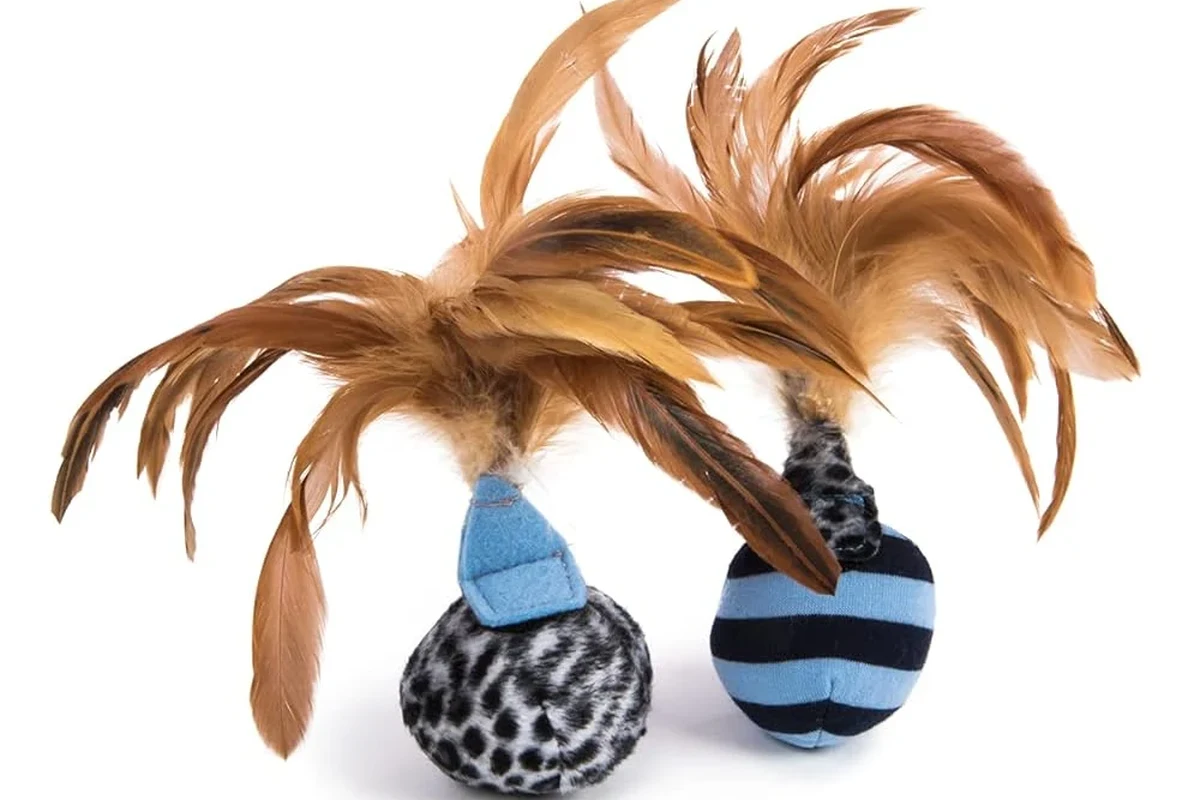
Use this guide for are feather toys bad for cats as a practical checklist, then adjust the advice to your cat’s age, health history, routine, and home environment.
Understanding the Risks of Feather Toys
While feather toys can be delightful for cats, they do come with certain risks. Understanding these risks is essential for ensuring your cat’s safety while playing. Some common risks include choking hazards, ingestion of small parts, and allergic reactions.
Choking Hazards
Feather toys that are poorly made or have small components can pose choking risks for cats. If a toy breaks apart, your cat might swallow parts that can obstruct their airway. Always choose toys that are durable and made from safe materials.
Ingestion of Small Parts
Sometimes, cats can be particularly enthusiastic players, and they may chew on or tear apart their toys. This can lead to accidental ingestion of small parts or feathers, which can cause gastrointestinal issues or blockages. Regularly inspect toys for wear and tear to prevent this.
Allergic Reactions
Some cats may develop allergies to the materials used in feather toys. Symptoms can include sneezing, itching, and skin irritations. If you notice these signs, consider switching to hypoallergenic toys that are safe for your cat. For related context, you may also want to read is meat by products bad for cats.
Always supervise your cat during playtime with feather toys to ensure their safety and enjoyment.
Choosing Safe Feather Toys
When selecting feather toys for your cat, it’s crucial to consider their quality and safety features. Here are some tips to guide your purchase: For feeding context, you may also want to read is chicken by product meal bad for cats.
| Criteria | What to Look For |
|---|---|
| Material Quality | Non-toxic, durable materials that won’t easily break apart |
| Secure Attachment | Feathers should be firmly attached to prevent ingestion |
| Size Appropriateness | Suitable size for your cat to avoid choking hazards |
| Design Safety | No small parts that could be swallowed or pose a risk |
- Opt for well-constructed toys from reputable brands.
- Check that materials are non-toxic and safe for pets.
- Look for toys with securely attached feathers to prevent detachment.
- Avoid toys with small parts that could be swallowed.
- Choose feather toys that are easy to clean.
Cats often show discomfort through small changes in appetite, litter box use, grooming, hiding, play, or body language before the problem looks obvious.
How to Monitor Your Cat’s Play Behavior
Monitoring your cat’s play behavior is essential for preventing accidents and ensuring they enjoy their toys safely. Here are some key points to consider:
Supervise your cat while they play to prevent rough behavior. Observe your cat’s reaction to the toy to identify any signs of distress. Limit playtime sessions to avoid overstimulation and exhaustion. Regularly check the condition of the toy and replace it as necessary. Be aware of your cat’s body language during play, as it can indicate their comfort level. If this behavior sounds familiar, are dairy products bad for cats covers a related pattern.
- Check your cat’s age, health, and routine.
- Check product details before purchasing.
- Consult your veterinarian if health signs are involved.
Are There Alternatives to Feather Toys?
If you have concerns about the safety of feather toys, there are plenty of alternatives available that can provide similar stimulation for your cat. Some of these alternatives include: is chicken by product meal good for cats goes deeper into the diet side of this topic.
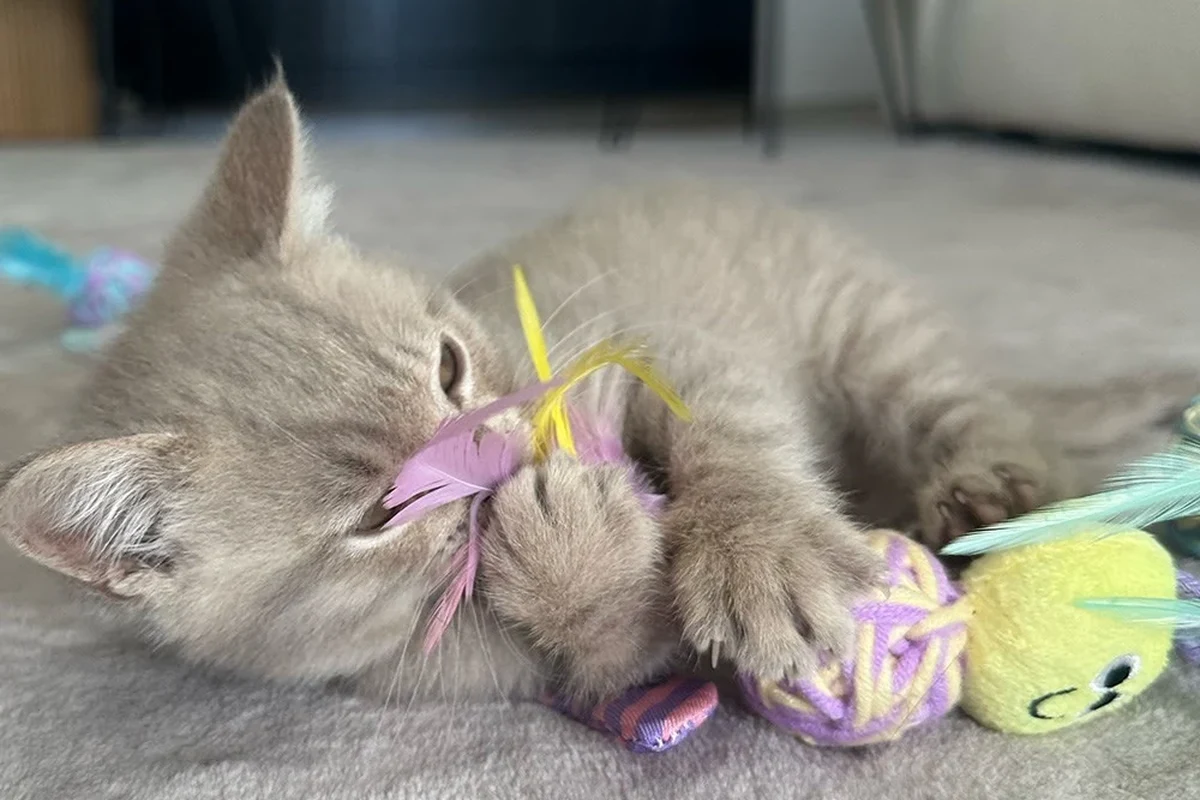
- Interactive laser pointers
- Wand toys with non-feather elements
- Catnip-filled toys
- Soft plush toys
This guide on are feather toys bad for cats is written for general cat-owner education. For symptoms, food safety, recalls, medication, product specifications, or urgent changes, confirm details with a veterinarian, product label, official manual, manufacturer notice, or current recall source before acting.
In Conclusion: Safety First!
The question of whether feather toys are bad for cats doesn’t have a straightforward answer. While they can be a fantastic source of entertainment, their safety ultimately depends on the quality of the toy and how you supervise playtime. By choosing safe products and being mindful of your cat’s behavior during play, you can ensure enjoyable and safe experiences. If you have any concerns about your cat’s health or behavior, consult your veterinarian for professional advice. If this is a concern, what are meat by products in cat food walks through a related situation to watch for.
The Practical Takeaway on Are feather toys bad for cats
are feather toys bad for cats is mainly about matching the food or feeding choice to your cat’s life stage, digestion, health history, and routine. Labels, ingredients, transition speed, and veterinary advice matter more than one-size-fits-all rules.
Check the label and life-stage suitability before changing food. Transition slowly unless your veterinarian says otherwise. Watch appetite, stool, vomiting, skin, coat, and energy changes. This connects closely with top interactive toys for smart cats if diet or appetite is part of the issue.
Final Words
In summary, feather toys can be safe for cats if chosen wisely and used responsibly. Always supervise your cat during playtime and regularly inspect toys for wear and tear. If you notice any concerning behavior or symptoms, seek veterinary advice promptly. Happy playing!
🐾 Sufiya Begom's Tip: Every cat is different, so I always watch my own cats closely before assuming the worst. Small changes in appetite, grooming, or energy often mean something simple is going on — but if anything feels off for more than a day, it is always worth a quick check with your vet. Trust your instincts as a cat owner.
Frequently Asked Questions
While feather toys can be safe for most cats, supervision is essential to prevent any choking or ingestion risks.
Avoid feather toys made with toxic materials or small parts that can be swallowed. Always check the product label.
If your cat becomes overly aggressive, starts to bite or claw excessively, or shows signs of stress, it’s time to intervene.
If you suspect your cat has swallowed a feather, monitor them closely for any unusual behavior and consult your veterinarian immediately.
Some cats may be allergic to feathers. Watch for signs like sneezing, itching, or skin irritation during play.
It’s best to replace feather toys once they show signs of wear or damage, or at least every few months for safety.