
Cats eat grass and vomit primarily to help with digestion and to eliminate hairballs or indigestible materials. This behavior may also stem from a natural instinct to ingest plant matter, which can aid in their overall health.
Last updated: August 13, 2026
Many cat owners frequently wonder, “why do cats eat grass and vomit?” It’s a common behavior that can leave pet parents puzzled and concerned. In this article, we will explore the reasons behind this curious habit, its implications for feline health, and what steps you should take to ensure your cat remains healthy and happy. This connects closely with how much should a cat eat if you want to compare the topic in more detail.
- Start with the cat: Age, health, diet, behavior, and home setup change the right answer.
- Check safety first: Watch for pain, appetite changes, breathing issues, urination changes, or repeated symptoms.
- Use practical steps: Adjust routines, food, litter, grooming, play, or products slowly and safely.
- Know the limits: Cat-care advice varies by cause, product, environment, and veterinarian guidance.
Understanding Why Cats Eat Grass and Vomit
When cats eat grass and subsequently vomit, it often raises questions about their health and behavior. This section will delve into the primary reasons behind this behavior, helping you understand your feline friend better.
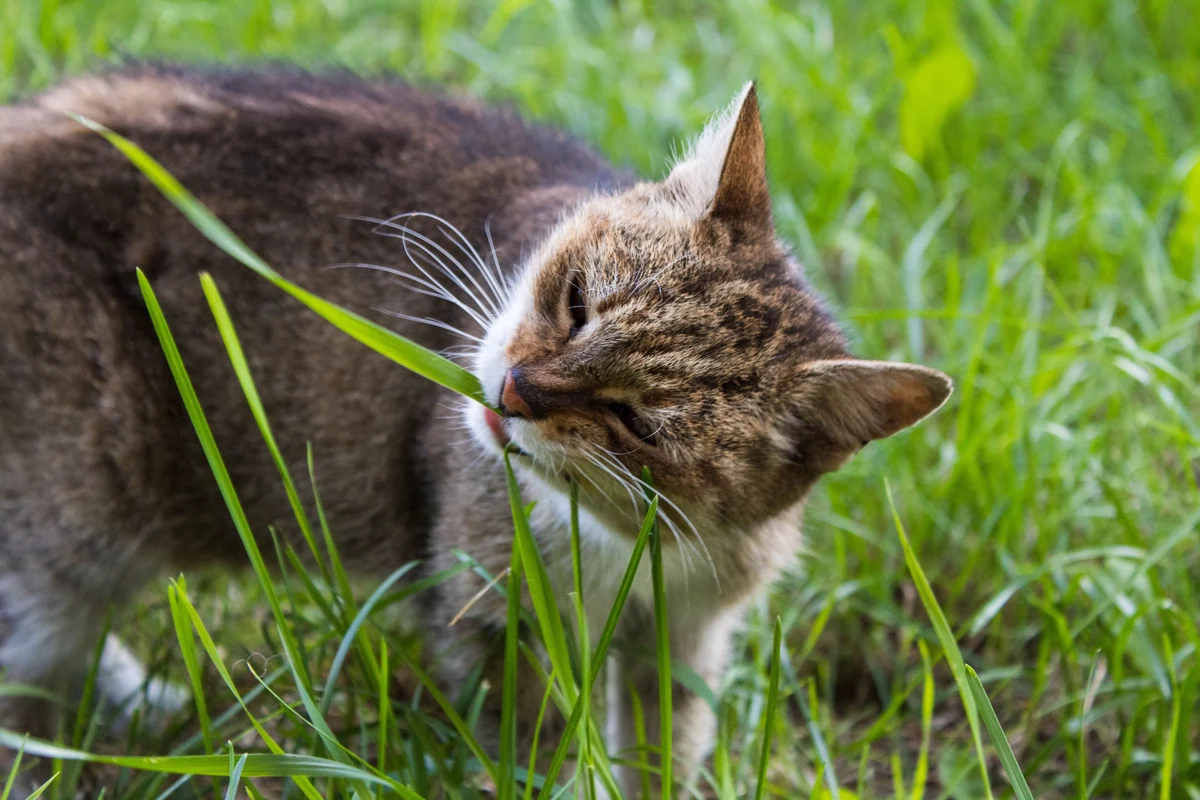
Cats are obligate carnivores, but they sometimes consume plant matter, including grass, for various reasons. While the exact motivation can vary from cat to cat, common explanations include dietary needs, instinctual behavior, and digestive aid. For feeding context, you may also want to read how to get your cat to eat dry food.
Use this guide for why do cats eat grass and vomit as a practical checklist, then adjust the advice to your cat’s age, health history, routine, and home environment.
Common Reasons Cats Consume Grass
There are several theories as to why cats are drawn to grass. Understanding these reasons can help you address any concerns and ensure your cat’s well-being. This connects closely with symptoms of a cat in heat if you want to compare the topic in more detail.
- Natural Instinct: Some experts believe that grass eating is a natural instinct for cats. Wild felines may consume grass to aid digestion or purge unwanted materials from their system.
- Fiber Intake: Grass can provide a source of fiber that helps with digestion. If your cat’s diet lacks sufficient fiber, it may instinctively seek out grass.
- Gastrointestinal Relief: Eating grass may help induce vomiting, which can be beneficial if a cat feels nauseous or has an upset stomach.
- Curiosity and Exploration: Cats are naturally curious creatures. They might nibble on grass simply out of curiosity or as part of their exploratory behavior.
- Vitamin Supplementation: Some theories suggest that cats may eat grass for vitamins, including folic acid, which is essential for their health.
Cats often show discomfort through small changes in appetite, litter box use, grooming, hiding, play, or body language before the problem looks obvious.
Signs That Grass Eating is a Problem
While occasional grass consumption is generally harmless, frequent vomiting or distress can be a sign of underlying health issues. Here are some signs to monitor in your cat.
| Signs of Problematic Grass Eating | What to Monitor |
|---|---|
| Frequent Vomiting | More than once a week |
| Lethargy | Reduced activity levels |
| Loss of Appetite | Refusal to eat regular food |
| Diarrhea | Loose stools following grass consumption |
Frequent vomiting after eating grass. Changes in appetite or weight. Signs of distress, such as lethargy or excessive grooming. Diarrhea or changes in bowel movements. Excessive thirst or urination. For feeding context, you may also want to read is wet food better for cat health.
When to Seek Veterinary Advice
Not all grass eating should cause alarm, but certain situations warrant a visit to the veterinarian. It’s essential to recognize when your cat’s behavior may indicate a health issue.
If your cat frequently vomits after eating grass or shows any of the concerning signs mentioned previously, consulting a veterinarian is advisable. They can help rule out underlying health conditions such as gastrointestinal issues, food allergies, or other illnesses. This connects closely with are there health risks with feeding a cat raw food if you want to compare the topic in more detail.
- Take a short video if the behavior or symptom is hard to explain.
- Keep your cat calm and separate from stress triggers while you observe.
- Do not wait if the problem is getting worse or your cat seems distressed.
Preventive Measures for Grass Eating
If you’re concerned about your cat’s grass-eating habits, there are several preventive measures you can take to ensure their safety and well-being. For feeding context, you may also want to read do siamese cats have health issues best guide for cat lovers.
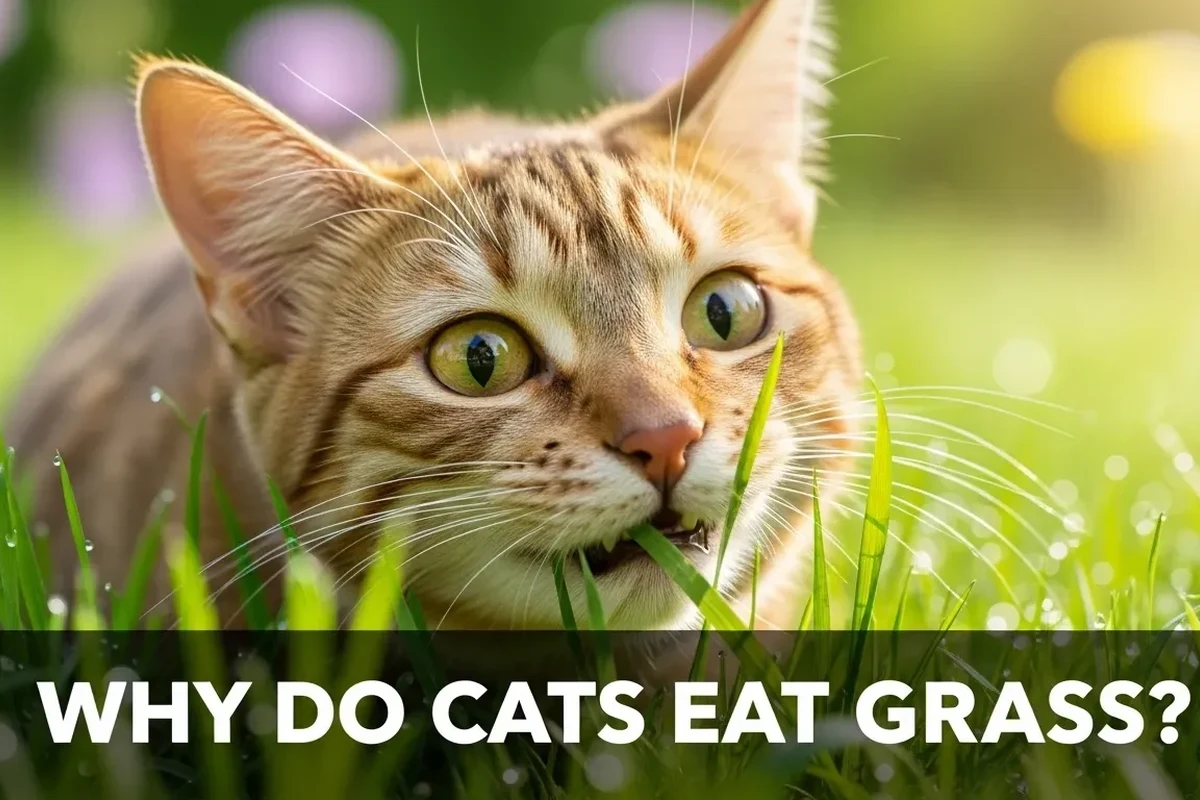
- Provide a balanced diet that meets all your cat’s nutritional needs.
- Consider offering cat grass or catnip as a safe alternative to outdoor grass.
- Monitor your cat’s overall health, noting any changes in behavior or appetite.
- Keep your cat away from chemically treated lawns or plants that may be toxic.
- Consult your veterinarian for recommendations on dietary supplements if necessary.
| Reason | Signs | Actions |
|---|---|---|
| Natural Instinct | Occasional grass eating | Monitor behavior; ensure no toxic plants are accessible |
| Fiber Intake | Increased grass consumption | Consider fiber-rich diet options |
| Gastrointestinal Relief | Frequent vomiting | Consult vet if persistent |
| Curiosity | Nibbling without distress | No action needed |
| Vitamin Supplementation | Seeking out grass regularly | Evaluate diet for deficiencies |
Keep an eye on your cat’s grass consumption and overall health. If you notice any concerning behaviors, consult your veterinarian for advice.
Explaining the Behavior in Simple Terms
So, why do cats eat grass and vomit? In simple terms, cats may consume grass to help with digestion, fulfill their nutritional needs, or address feelings of nausea. This behavior is often instinctual, as wild cats sometimes eat grass to purge their systems or acquire essential vitamins. While it’s generally harmless, persistent vomiting or discomfort should be addressed with a veterinarian. You can also use how much dry cat food should a cat eat as a helpful next guide on the same cat-behavior topic.
This guide on why do cats eat grass and vomit is written for general cat-owner education. For symptoms, food safety, recalls, medication, product specifications, or urgent changes, confirm details with a veterinarian, product label, official manual, manufacturer notice, or current recall source before acting.
What to Watch For With Why do cats eat grass and vomit
why do cats eat grass and vomit should be understood as a reason to observe your cat carefully, compare signs, avoid guessing, and contact a veterinarian when symptoms are sudden, severe, repeated, painful, or linked to appetite, breathing, urination, weight, kittens, or senior cats.
Track when the sign started and how often it happens. Avoid home treatment, medication, or dosing without veterinary guidance. Use this article to prepare better questions for your veterinarian. For feeding context, you may also want to read how many calories should cats eat.
Final Words
Understanding why cats eat grass and vomit can help you take better care of your furry companion. While it’s often a natural behavior, being vigilant about any changes in their health or habits is crucial. By ensuring they have a balanced diet and monitoring their well-being, you can help your cat lead a happy and healthy life.
🐾 Sufiya Begom's Tip: Every cat is different, so I always watch my own cats closely before assuming the worst. Small changes in appetite, grooming, or energy often mean something simple is going on — but if anything feels off for more than a day, it is always worth a quick check with your vet. Trust your instincts as a cat owner.
Frequently Asked Questions
Start with intended use, fit, verified specifications, safety instructions, care needs, and important limitations.
Start with the cat’s age, health history, home environment, safety guidance, and the main reason behind the topic.
It can vary by kitten, adult, senior cat, breed, temperament, health condition, diet, stress level, and home setup.
Check food changes, litter changes, symptoms, behavior changes, product fit, cleaning routine, and veterinarian guidance when health is involved.
A common mistake is treating every cat the same instead of considering age, health, environment, stress, and safety risks.
Contact a veterinarian if signs are sudden, severe, repeated, painful, linked to appetite, breathing, urination, weight, or involve kittens or senior cats.