
Common causes of what can make a cat vomit include hairballs, dietary changes, eating too quickly, food allergies, and ingesting toxic substances or foreign objects. Stress and underlying health issues can also lead to vomiting in cats.
Last updated: August 13, 2026
Understanding what can make a cat vomit is crucial for every cat owner. Vomiting in cats can be triggered by various factors, from dietary issues to underlying health problems. In this article, we will explore the common causes of cat vomiting, how to recognize the signs, and effective prevention methods to help keep your feline friend healthy. For related context, you may also want to read what are symptoms of a pregnant cat 2.
- Start with the cat: Age, health, diet, behavior, and home setup change the right answer.
- Check safety first: Watch for pain, appetite changes, breathing issues, urination changes, or repeated symptoms.
- Use practical steps: Adjust routines, food, litter, grooming, play, or products slowly and safely.
- Know the limits: Cat-care advice varies by cause, product, environment, and veterinarian guidance.
What Can Make a Cat Vomit?
Several factors can lead to vomiting in cats, including dietary indiscretions, health conditions, and behavioral issues. Identifying the cause is essential for proper treatment and prevention. Here’s a detailed look at the most common reasons why cats vomit. This connects closely with how much does a vet visit cost for a cat health checkup if you want to compare the topic in more detail.
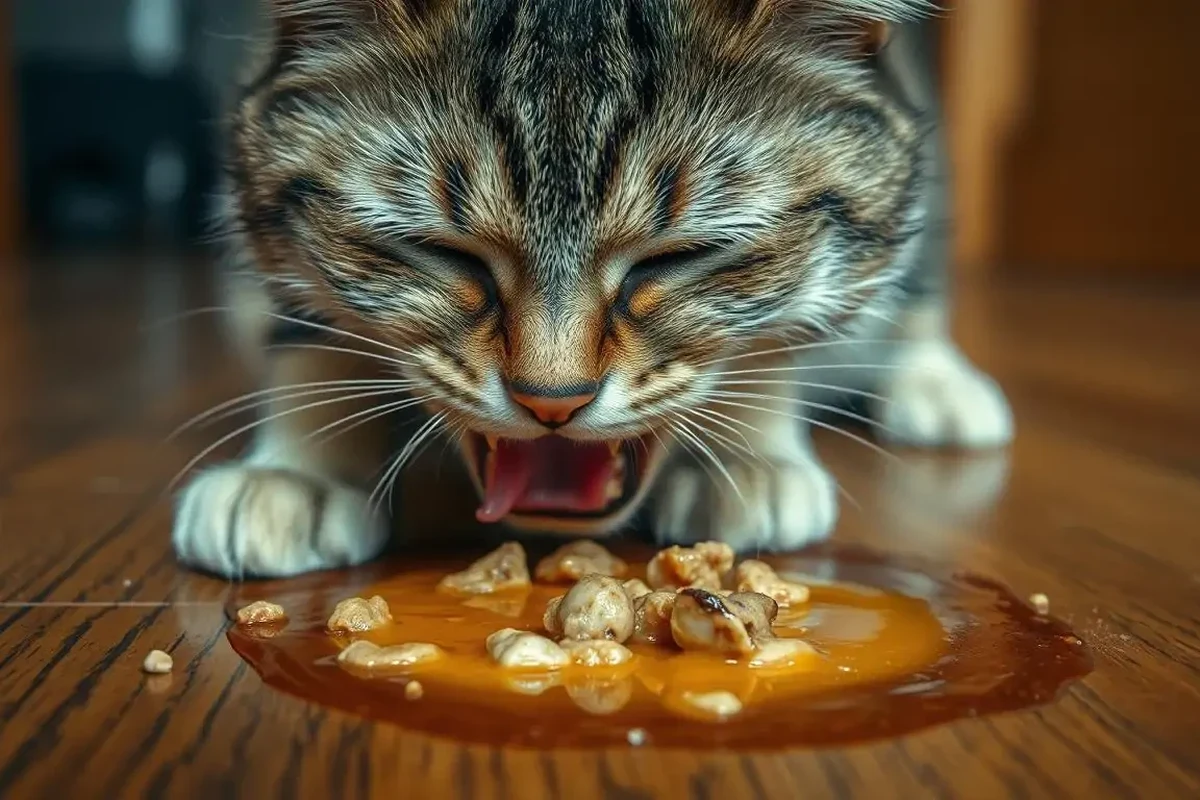
Dietary Indiscretion
Cats are curious creatures and often eat things that may not be good for them. Dietary indiscretion is a primary cause of vomiting in cats and can include eating too quickly, consuming spoiled food, or ingesting non-food items.
Food Sensitivities and Allergies
Some cats may have sensitivities or allergies to certain ingredients in their food, leading to gastrointestinal upset and vomiting. Identifying the specific allergen is crucial in preventing future incidents.
Health Conditions
Vomiting can also be a symptom of various health issues, ranging from mild to severe. Conditions such as kidney disease, hyperthyroidism, or gastrointestinal disorders can cause a cat to vomit. Regular veterinary check-ups are essential for early detection of such health problems.
Hairballs
Hairballs are a common issue for cats, especially those with long fur. When cats groom themselves, they ingest hair, which can accumulate in their stomach and cause vomiting. Regular grooming can help minimize hairball formation.
Parasites
Intestinal parasites can irritate a cat’s gastrointestinal tract, causing vomiting and other digestive issues. Regular deworming and preventive care are important to keep your cat healthy.
Stress and Anxiety
Just like humans, cats can experience stress and anxiety, which may result in vomiting. Changes in their environment, such as moving to a new home or the introduction of new pets, can trigger stress-related vomiting. For behavior context, can cat urine make you sick can help you compare similar signs.
This guide on what can make a cat vomit is written for general cat-owner education. For symptoms, food safety, recalls, medication, product specifications, or urgent changes, confirm details with a veterinarian, product label, official manual, manufacturer notice, or current recall source before acting.
Recognizing Signs of Vomiting in Cats
Understanding the signs of vomiting is vital for timely intervention. Cats may exhibit various behaviors before and after vomiting, which can help determine the cause. Here are some common signs to watch for. This connects closely with how to check if your cat has a health problem if you want to compare the topic in more detail.
- Frequent retching or gagging sounds.
- Changes in appetite or drinking habits.
- Behavioral changes such as lethargy or hiding.
- Presence of hairballs or undigested food in vomit.
Monitor your cat’s eating habits and consult a vet if you notice persistent vomiting.
When to Call a Veterinarian
While occasional vomiting can be normal, certain situations require immediate veterinary attention. Knowing when to seek help can be crucial for your cat’s health.
| Situation | Signs to Watch For | Action to Take |
|---|---|---|
| Repeated Vomiting | Vomiting more than twice in 24 hours | Contact your veterinarian immediately |
| Vomiting with Blood | Presence of red or brown blood in vomit | Seek emergency veterinary care |
| Vomiting with Diarrhea | Accompanied by severe diarrhea | Consult your veterinarian |
| Vomiting After Eating | Consistent vomiting after meals | Evaluate diet and consult a vet |
If vomiting persists for more than 24 hours. If there is blood in the vomit or if the vomit has a strange color. If your cat shows signs of dehydration, such as lethargy or sunken eyes. If your cat is also experiencing diarrhea or other concerning symptoms. For related health context, you may also want to read what does a healthy cat look like.
Some cats vomit more frequently than others, and it can be a normal behavior if occasional.
Prevention Methods for Cat Vomiting
Preventing vomiting in cats involves a combination of proper diet, regular health checks, and environmental management. Here are some effective strategies to reduce vomiting incidents.
Choose the Right Diet
Selecting high-quality cat food that meets your cat’s nutritional needs is vital. Consult with your veterinarian to determine the best diet for your cat’s age, health status, and lifestyle.
Feed in Small Portions
Feeding your cat smaller, more frequent meals can help reduce the likelihood of vomiting. This approach minimizes the chances of them eating too quickly or overindulging.
Regular Grooming
Frequent grooming not only helps reduce hairballs but also provides an opportunity to check for any skin issues or abnormalities. Regular grooming can be particularly important for long-haired breeds.
Manage Stress
Creating a calm and stable environment for your cat can help minimize stress-induced vomiting. This can include maintaining a consistent routine and providing safe spaces for your cat to retreat when feeling anxious. You can also use can a sick cat get a human sick as a helpful next guide on the same cat-behavior topic.
All cats, especially those prone to hairballs.
Multi-pet households or environments with frequent changes.
Watch for signs of distress or health changes.
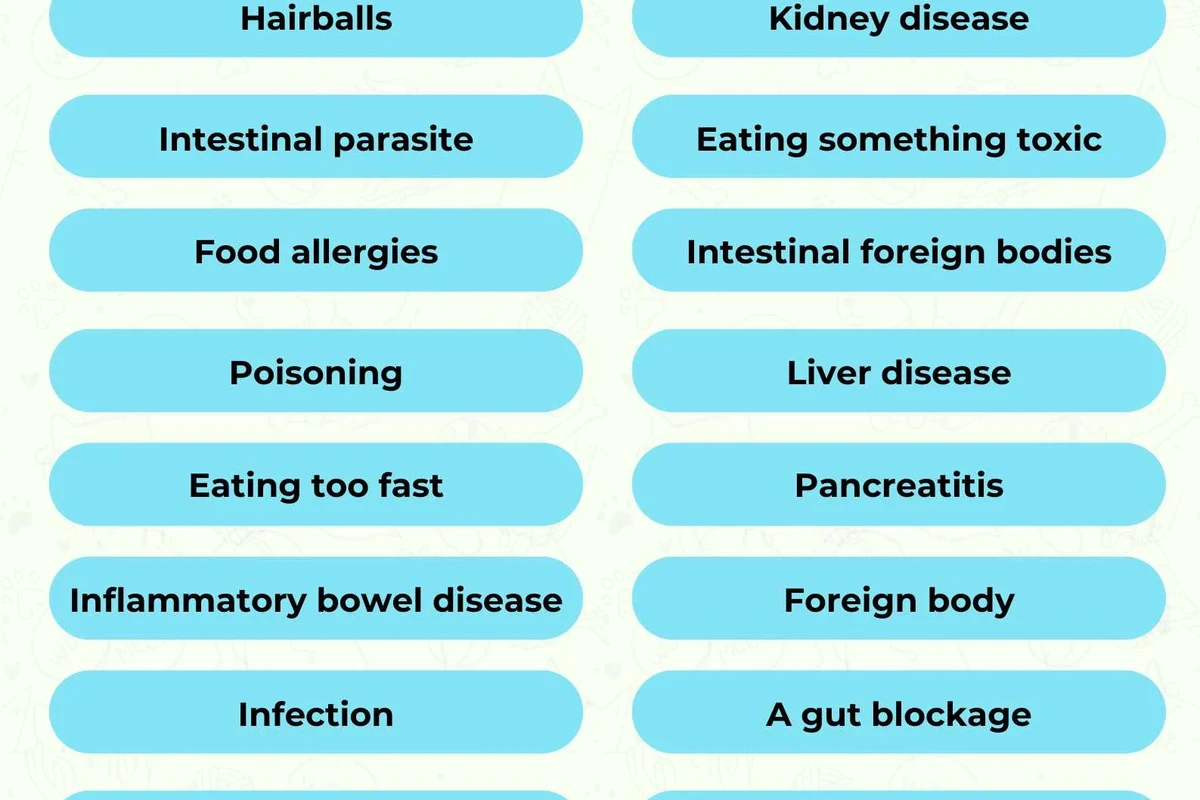
Table of Common Causes of Vomiting in Cats
| Cause | Symptoms | Prevention |
|---|---|---|
| Dietary Indiscretion | Vomiting after eating, eating non-food items | Monitor eating habits, avoid leaving food out |
| Food Allergies | Frequent vomiting, diarrhea, skin issues | Consult vet for allergy testing, choose hypoallergenic diets |
| Health Conditions | Persistent vomiting, lethargy | Regular vet check-ups, monitor health changes |
| Hairballs | Vomiting hairballs, dry cough | Regular grooming, hairball control diets |
| Parasites | Vomiting, weight loss, lethargy | Regular deworming, preventive medications |
| Stress | Vomiting during stressful situations | Maintain a stable environment, use calming products |
- Feed smaller meals more frequently.
- Regularly groom long-haired cats.
- Monitor your cat’s weight and health closely.
Simple Explanations for Cat Vomiting
In simple terms, a cat can vomit due to various reasons, including eating things they shouldn’t, food allergies, health issues, hairballs, parasites, or even stress. It’s important for cat owners to observe their pet’s behavior and health closely. If vomiting occurs frequently, consulting a veterinarian is essential to identify the underlying cause and ensure your cat’s well-being. This connects closely with can a cat carry rabies without symptoms if you want to compare the topic in more detail.
Seek veterinary advice if vomiting persists or is accompanied by other health changes.
Putting What can make a cat vomit in Context
what can make a cat vomit should be understood as a reason to observe your cat carefully, compare signs, avoid guessing, and contact a veterinarian when symptoms are sudden, severe, repeated, painful, or linked to appetite, breathing, urination, weight, kittens, or senior cats. You can also use what are the symptoms of a cat dying as a helpful next guide on the same cat-care topic.
- Track when the sign started and how often it happens.
- Avoid home treatment, medication, or dosing without veterinary guidance.
- Use this article to prepare better questions for your veterinarian.
Final Words
Understanding what can make a cat vomit is essential for every cat owner. By recognizing the signs, knowing when to call a veterinarian, and implementing preventive measures, you can help keep your feline friend healthy and happy. Regular veterinary check-ups and a responsible approach to your cat’s diet and environment will go a long way in preventing vomiting and other health issues.
🐾 Sufiya Begom's Tip: Every cat is different, so I always watch my own cats closely before assuming the worst. Small changes in appetite, grooming, or energy often mean something simple is going on — but if anything feels off for more than a day, it is always worth a quick check with your vet. Trust your instincts as a cat owner.
Frequently Asked Questions
Start with intended use, fit, verified specifications, safety instructions, care needs, and important limitations.
Start with the cat’s age, health history, home environment, safety guidance, and the main reason behind the topic.
It can vary by kitten, adult, senior cat, breed, temperament, health condition, diet, stress level, and home setup.
Check food changes, litter changes, symptoms, behavior changes, product fit, cleaning routine, and veterinarian guidance when health is involved.
A common mistake is treating every cat the same instead of considering age, health, environment, stress, and safety risks.
Contact a veterinarian if signs are sudden, severe, repeated, painful, linked to appetite, breathing, urination, weight, or involve kittens or senior cats.