
Yes, signs of illness in cats can include changes in appetite, lethargy, vomiting, diarrhea, and behavioral shifts. If you notice these symptoms, it’s important to consult a veterinarian to determine if your cat is sick and to receive appropriate care.
Last updated: August 13, 2026
As a cat owner, noticing changes in your feline friend’s behavior can be distressing. If you’re asking yourself, “is my cat sick?” it’s crucial to identify any signs that may indicate illness. This article will guide you through the common symptoms of a sick cat, potential causes, and the steps you can take to ensure your cat gets the care it needs.
- Start with the cat: Age, health, diet, behavior, and home setup change the right answer.
- Check safety first: Watch for pain, appetite changes, breathing issues, urination changes, or repeated symptoms.
- Use practical steps: Adjust routines, food, litter, grooming, play, or products slowly and safely.
- Know the limits: Cat-care advice varies by cause, product, environment, and veterinarian guidance.
Understanding If Your Cat Is Sick
To determine whether your cat is sick, it’s essential to recognize the signs that indicate health issues. Cats are masters at hiding their discomfort, so being observant is key. This section will outline the primary signs of illness to watch for in your cat.
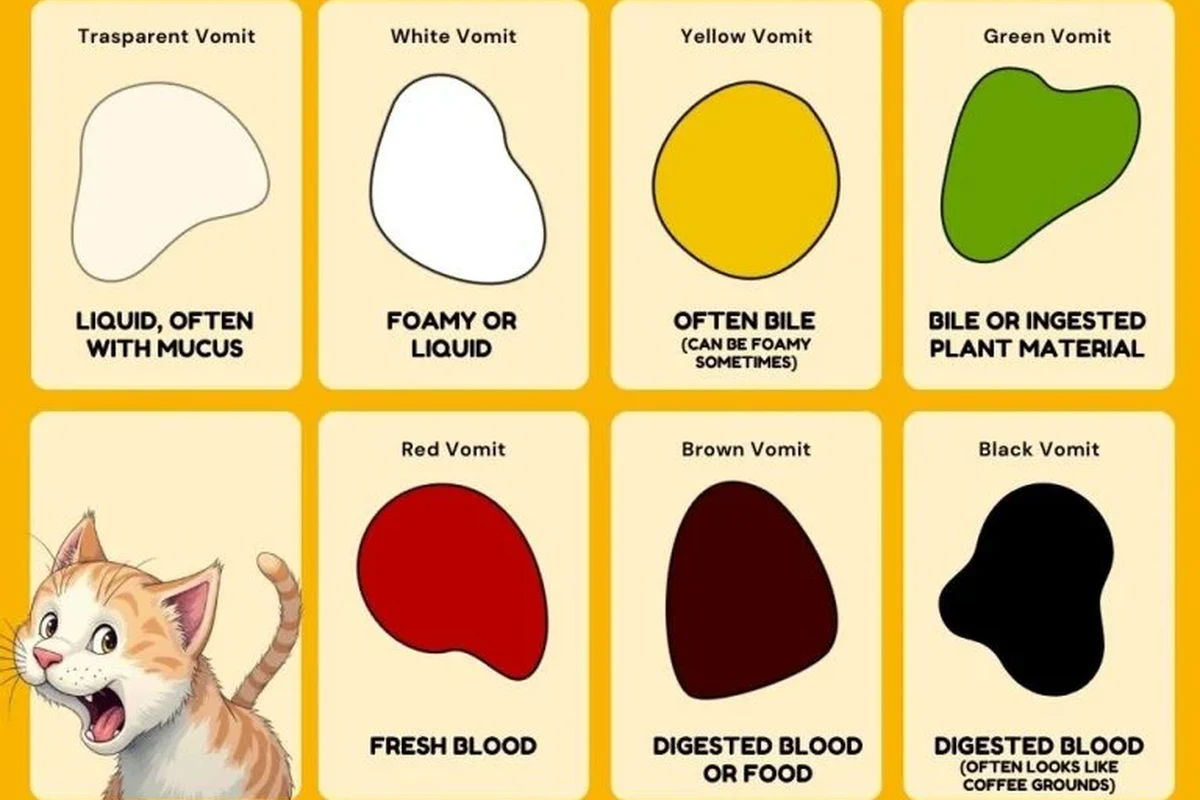
Common Symptoms to Watch For
There are several symptoms that may suggest your cat is unwell. Recognizing these early can help you take appropriate action. Here are some common signs of a sick cat: For related health context, you may also want to read is royal canin good for cat health.
- Loss of appetite or sudden weight loss
- Changes in litter box habits, including increased or decreased urination
- Unusual vocalizations or changes in behavior
- Persistent vomiting or diarrhea
- Excessive grooming or signs of pain when touched
Causes of Illness in Cats
Understanding the potential causes of illness can help you better assess your cat’s health. Cats can suffer from a variety of health issues ranging from minor ailments to serious conditions. This section will explore some common causes of illness in cats.
Common Health Issues in Cats
Various health problems can affect cats. Some are easily treatable, while others may require extensive care. Here are some common health issues to be aware of:
Infections: Bacterial, viral, or fungal infections can lead to various symptoms. Dental issues: Dental diseases can cause pain and affect overall health. Kidney disease: A common issue in older cats that can lead to serious complications. Diabetes: This can result in weight loss and increased thirst and urination. This connects closely with is wet food better for cat health if you want to compare the topic in more detail.
Use this guide for is my cat sick as a practical checklist, then adjust the advice to your cat’s age, health history, routine, and home environment.
What to Do If You Suspect Your Cat Is Sick
If you notice any symptoms suggesting your cat might be sick, knowing what steps to take is crucial. Prompt action can make a significant difference in your cat’s recovery. This section will provide guidance on what to do next.
| Symptoms to Watch For | Recommended Action |
|---|---|
| Lethargy | Monitor behavior and consult a vet if prolonged |
| Loss of Appetite | Check for dental issues and schedule a vet visit |
| Vomiting | Keep track of frequency and consult a vet if it continues |
| Changes in Bathroom Habits | Look for signs of distress and visit the vet if needed |
Immediate Steps to Take
When you suspect your cat is sick, follow these steps to ensure they receive the necessary care: You can also use how much is a health check for a cat as a helpful next guide on the same cat-care topic.
- Observe Symptoms
Take note of all symptoms and changes in behavior. This information will be valuable for your vet.
- Check Their Environment
Ensure there are no potential toxins or dangers in their surroundings.
- Contact Your Veterinarian
Schedule a vet appointment to discuss your observations and get a professional evaluation.
Keep a record of your cat’s health and behavior changes to discuss during vet visits.
When to Call the Vet
Knowing when to seek veterinary care is crucial for your cat’s health. Some situations require immediate attention, while others can wait. This section will clarify when it’s necessary to visit the vet.
Urgent Signs to Watch For
Certain symptoms indicate that your cat needs immediate veterinary attention. Recognizing these can save your pet’s life: This connects closely with how much is a health certificate for a cat if you want to compare the topic in more detail.
- Severe lethargy or unresponsiveness
- Difficulty breathing or choking
- Bloody urine or feces
- Severe vomiting or diarrhea for more than 24 hours
The Importance of Regular Check-Ups
Regular veterinary check-ups are essential for maintaining your cat’s health. Preventative care can help catch issues early before they become serious. This section will outline the benefits of routine visits.
Benefits of Routine Veterinary Care
Regular check-ups provide several advantages for your cat’s health:
Early detection of potential health issues, vaccinations to prevent contagious diseases, professional dental care to maintain oral health, and nutritional guidance tailored to your cat’s needs. For related health context, you may also want to read do siamese cats have health issues best guide for cat lovers.
Cats often show discomfort through small changes in appetite, litter box use, grooming, hiding, play, or body language before the problem looks obvious.
Common Mistakes Cat Owners Make
As a cat owner, it’s easy to overlook certain signs of illness or misinterpret your cat’s behavior. Being aware of common mistakes can help you provide better care. This section will highlight some frequent missteps. This also connects with how much does a vet visit cost for a cat health checkup if you want to avoid a similar cat-care mistake.

What Not to Do
Avoid these common mistakes when assessing your cat’s health:
- Ignoring subtle changes in behavior
- Delaying vet visits for serious symptoms
- Self-diagnosing based on online information without professional advice
Tools and Products to Monitor Your Cat’s Health
There are various tools and products that can help you keep track of your cat’s health and wellness. Knowing what to use can aid in early detection of issues. This section will cover useful items for cat care.
Helpful Health Monitoring Tools
Consider these products to help monitor your cat’s health:
Digital thermometers for temperature checks, food and water intake recorders, and activity monitors to track movement and behavior. For related health context, you may also want to read what is wrong with my cat symptom checker quick guide.
All breeds and ages benefit from this advice.
Healthy environments promote wellbeing.
Observe any changes in behavior or health.
Preventing Illness in Cats
Prevention is better than cure. Implementing strategies to keep your cat healthy can minimize the risk of illnesses. This section will focus on how to promote your cat’s well-being. This connects closely with can i get my cat sick if you want to compare the topic in more detail.
Effective Preventative Care Practices
To keep your cat healthy, consider these preventative measures:
- Regular vaccinations as recommended by your vet
- Providing a balanced diet tailored to their specific needs
- Ensuring regular exercise and mental stimulation
This guide on is my cat sick is written for general cat-owner education. For symptoms, food safety, recalls, medication, product specifications, or urgent changes, confirm details with a veterinarian, product label, official manual, manufacturer notice, or current recall source before acting.
Plain-English Explanation of Cat Illness Signs
Understanding if your cat is sick is crucial for timely intervention. Look for changes in appetite, behavior, and physical symptoms. If you see anything unusual, consult your vet immediately for an accurate diagnosis and treatment.
Putting Is my cat sick in Context
is my cat sick should be understood as a reason to observe your cat carefully, compare signs, avoid guessing, and contact a veterinarian when symptoms are sudden, severe, repeated, painful, or linked to appetite, breathing, urination, weight, kittens, or senior cats.
Track when the sign started and how often it happens. Avoid home treatment, medication, or dosing without veterinary guidance. Use this article to prepare better questions for your veterinarian.
Final Words
Being proactive about your cat’s health can ensure a long, happy life for your furry friend. By recognizing the signs of illness and taking appropriate action, you can make a significant difference in their well-being. Regular veterinary check-ups, a balanced diet, and attentive care are key components of a healthy lifestyle for your cat.
🐾 Sufiya Begom's Tip: Every cat is different, so I always watch my own cats closely before assuming the worst. Small changes in appetite, grooming, or energy often mean something simple is going on — but if anything feels off for more than a day, it is always worth a quick check with your vet. Trust your instincts as a cat owner.
Frequently Asked Questions
Start with intended use, fit, verified specifications, safety instructions, care needs, and important limitations.
Start with the cat’s age, health history, home environment, safety guidance, and the main reason behind the topic.
It can vary by kitten, adult, senior cat, breed, temperament, health condition, diet, stress level, and home setup.
Check food changes, litter changes, symptoms, behavior changes, product fit, cleaning routine, and veterinarian guidance when health is involved.
A common mistake is treating every cat the same instead of considering age, health, environment, stress, and safety risks.
Contact a veterinarian if signs are sudden, severe, repeated, painful, linked to appetite, breathing, urination, weight, or involve kittens or senior cats.