
Cat vomiting yellow liquid usually indicates the presence of bile, which can occur due to an empty stomach, dietary issues, or underlying health problems. If your cat is frequently vomiting yellow liquid, consult a veterinarian promptly to determine the cause and appropriate treatment.
Last updated: August 13, 2026
If you’re concerned about your feline friend and wondering why is my cat vomiting yellow liquid, you’re not alone. Cat vomiting can be alarming and may indicate underlying health issues. This article will explore the reasons behind this symptom, what it signifies, and the steps you should take to ensure your cat’s well-being.
- Start with the cat: Age, health, diet, behavior, and home setup change the right answer.
- Check safety first: Watch for pain, appetite changes, breathing issues, urination changes, or repeated symptoms.
- Use practical steps: Adjust routines, food, litter, grooming, play, or products slowly and safely.
- Know the limits: Cat-care advice varies by cause, product, environment, and veterinarian guidance.
Understanding Your Cat’s Vomiting
Vomiting in cats can occur for various reasons, and yellow liquid vomit is particularly concerning. This section will provide insights into what it means when your cat is expelling yellow liquid and the potential causes behind it.
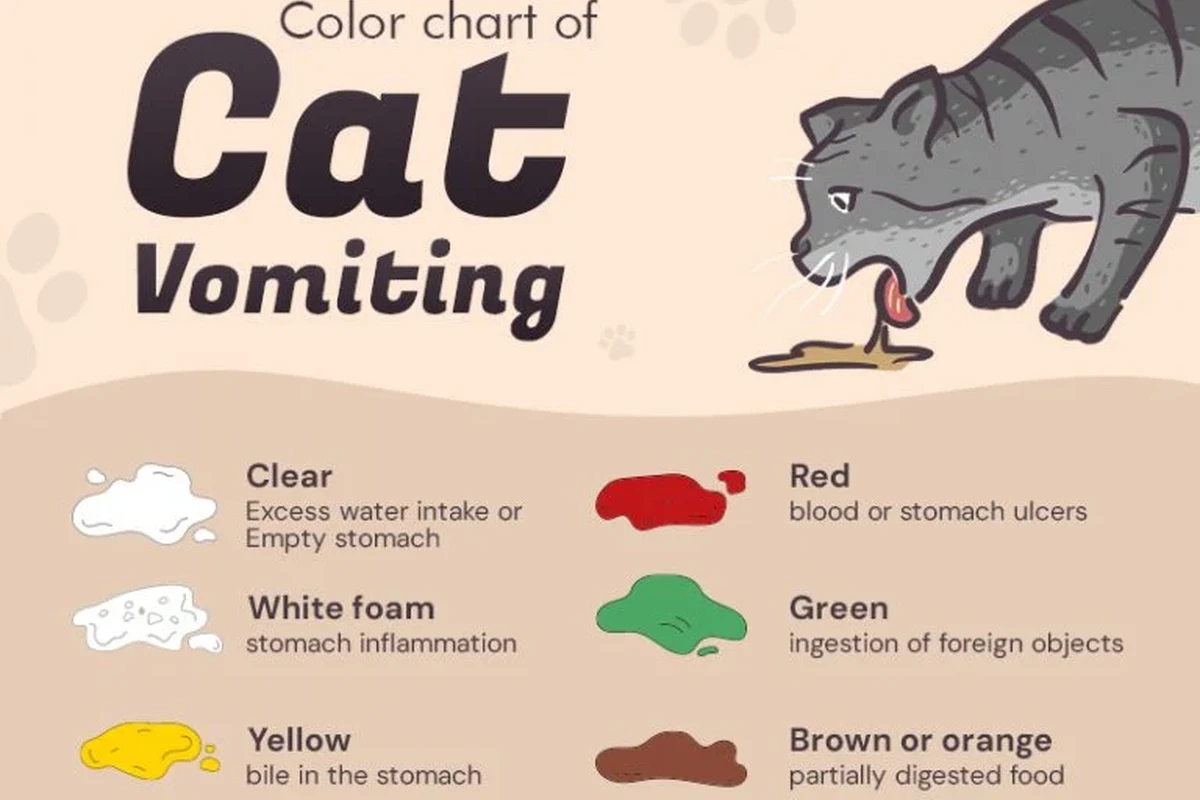
What Does Yellow Vomit Indicate?
Yellow vomit in cats typically indicates the presence of bile, a digestive fluid produced in the liver. When a cat vomits bile, it may be due to an empty stomach, irritation, or other underlying health issues. Understanding this can help you determine whether immediate veterinary attention is necessary. For related context, you may also want to read what is wrong with my cat symptom checker quick guide.
Common Causes of Yellow Vomit in Cats
Identifying the root cause of your cat’s vomiting is crucial for appropriate treatment. This section will break down the most common reasons why your cat might be vomiting yellow liquid. This connects closely with what is the new cat disease if you want to compare the topic in more detail.
- Empty Stomach: When a cat’s stomach is empty, bile may accumulate and lead to vomiting.
- Dietary Indiscretion: Consuming spoiled food or foreign objects can irritate the stomach.
- Gastrointestinal Issues: Conditions like gastritis, inflammatory bowel disease, or parasites can cause vomiting.
- Infections: Viral or bacterial infections can lead to gastrointestinal upset.
- Chronic Conditions: Liver disease, pancreatitis, or kidney issues may present as vomiting.
Use this for symptoms, appetite changes, urination changes, pain, breathing, repeated vomiting/diarrhea, wounds, toxic foods, or sudden behavior changes.
When to Seek Veterinary Help
If your cat is vomiting yellow liquid, knowing when to consult a veterinarian is essential. This section outlines the signs that warrant professional intervention.
| Signs to Monitor | When to Seek Help |
|---|---|
| Frequent vomiting | Consult immediately |
| Vomiting with blood | Seek emergency care |
| Loss of appetite | Contact vet within 24 hours |
| Signs of dehydration | Visit vet ASAP |
If vomiting persists for more than 24 hours. If your cat exhibits other concerning symptoms like lethargy, diarrhea, or lack of appetite. If the vomit contains blood or resembles coffee grounds. If your cat is a kitten, senior, or has pre-existing health conditions. For related health context, you may also want to read what does a healthy cat look like.
- Check your cat’s age, health, and routine.
- Check product, food, litter, or home setup details.
- Ask a veterinarian when health signs are involved.
Observing Other Symptoms
Monitoring additional symptoms can help you and your veterinarian determine the underlying cause of your cat’s vomiting. Here’s what to keep an eye on. This connects closely with can cat urine make you sick if you want to compare the topic in more detail.
- Behavior Changes: Note if your cat is more withdrawn or unusually active.
- Appetite Fluctuations: Observe if your cat is eating less or refusing food altogether.
- Lethargy: Look for signs of fatigue or decreased activity levels.
- Monitor your cat’s eating habits closely.
- Keep a journal of vomiting episodes for your vet.
- Provide a calm environment to reduce stress.
Preventing Vomiting in Cats
Preventing future episodes of vomiting involves understanding your cat’s diet and lifestyle. Here are some proactive measures you can take.
Regular Feeding Schedule: Feed your cat at consistent times to prevent an empty stomach. Quality Diet: Ensure your cat’s food is fresh and of high quality to minimize digestive issues. Limit Access to Foreign Objects: Keep potentially harmful items out of reach to prevent ingestion. This connects closely with what are the symptoms of a cat dying if you want to compare the topic in more detail.
Home Remedies to Consider
While it’s essential to consult a veterinarian if vomiting persists, some home remedies may alleviate occasional vomiting. This section will cover safe options. You can also use what are symptoms of a pregnant cat 2 as a helpful next guide on the same cat-care topic.
- Hydration: Ensure your cat stays hydrated by offering fresh water frequently.
- Small Meals: If your cat is vomiting bile, try feeding smaller, more frequent meals.
- Ginger: Some cat owners find that small amounts of ginger can help settle the stomach.
This guide on why is my cat vomiting yellow liquid is written for general cat-owner education. For symptoms, food safety, recalls, medication, product specifications, or urgent changes, confirm details with a veterinarian, product label, official manual, manufacturer notice, or current recall source before acting.
Understanding the Risks
It’s vital to understand the potential risks associated with your cat vomiting yellow liquid. Some conditions can be severe and require immediate attention. This section highlights key risks to watch for. For related safety context, compare this with can i get my cat sick.
| Condition | Risk Level | Signs to Watch |
|---|---|---|
| Gastritis | Medium | Persistent vomiting, stomach pain |
| Infections | High | Fever, lethargy, severe vomiting |
| Liver Disease | High | Jaundice, weight loss, behavioral changes |
Explaining Yellow Vomiting in Simple Terms
When a cat vomits yellow liquid, it usually means bile is present. Bile is a digestive fluid that can irritate your cat’s stomach, often due to an empty stomach or dietary issues. If this happens occasionally and your cat seems otherwise healthy, it might not be a major concern. However, frequent yellow vomiting could indicate a more serious problem, so monitoring your cat’s overall health is essential. This connects closely with where can i take my sick cat with no money if you want to compare the topic in more detail.
Keep a close eye on your cat’s eating habits and behavior to catch any changes early.
The Bottom Line on Why is my cat vomiting yellow liquid
why is my cat vomiting yellow liquid should be understood as a reason to observe your cat carefully, compare signs, avoid guessing, and contact a veterinarian when symptoms are sudden, severe, repeated, painful, or linked to appetite, breathing, urination, weight, kittens, or senior cats.
Track when the sign started and how often it happens. Avoid home treatment, medication, or dosing without veterinary guidance. Use this article to prepare better questions for your veterinarian.
Final Words
If your cat is vomiting yellow liquid, it’s important to monitor their overall health and behavior. This guide has covered various causes, symptoms, and preventative measures. If concerns persist, do not hesitate to reach out to your veterinarian for a thorough evaluation and tailored advice.
🐾 Sufiya Begom's Tip: Every cat is different, so I always watch my own cats closely before assuming the worst. Small changes in appetite, grooming, or energy often mean something simple is going on — but if anything feels off for more than a day, it is always worth a quick check with your vet. Trust your instincts as a cat owner.
Frequently Asked Questions
Start with intended use, fit, verified specifications, safety instructions, care needs, and important limitations.
Start with the cat’s age, health history, home environment, safety guidance, and the main reason behind the topic.
It can vary by kitten, adult, senior cat, breed, temperament, health condition, diet, stress level, and home setup.
Check food changes, litter changes, symptoms, behavior changes, product fit, cleaning routine, and veterinarian guidance when health is involved.
A common mistake is treating every cat the same instead of considering age, health, environment, stress, and safety risks.
Contact a veterinarian if signs are sudden, severe, repeated, painful, linked to appetite, breathing, urination, weight, or involve kittens or senior cats.