
Yes, cats can get sick from humans. They can contract certain illnesses, such as colds and flu, as well as parasites and bacteria that humans may carry. It’s important to practice good hygiene and monitor your cat’s health to minimize risks.
Last updated: August 11, 2026
Many cat owners wonder, do cats get sick from humans? This concern is valid, especially in households where humans and pets interact closely. Understanding the risks and transmission of diseases is essential for ensuring the health of both cats and humans. This article will explore whether cats can contract illnesses from humans, the types of diseases involved, and what you can do to protect your furry friends.
- Start with the cat: Age, health, diet, behavior, and home setup change the right answer.
- Check safety first: Watch for pain, appetite changes, breathing issues, urination changes, or repeated symptoms.
- Use practical steps: Adjust routines, food, litter, grooming, play, or products slowly and safely.
- Know the limits: Cat-care advice varies by cause, product, environment, and veterinarian guidance.
Do Cats Get Sick from Humans?
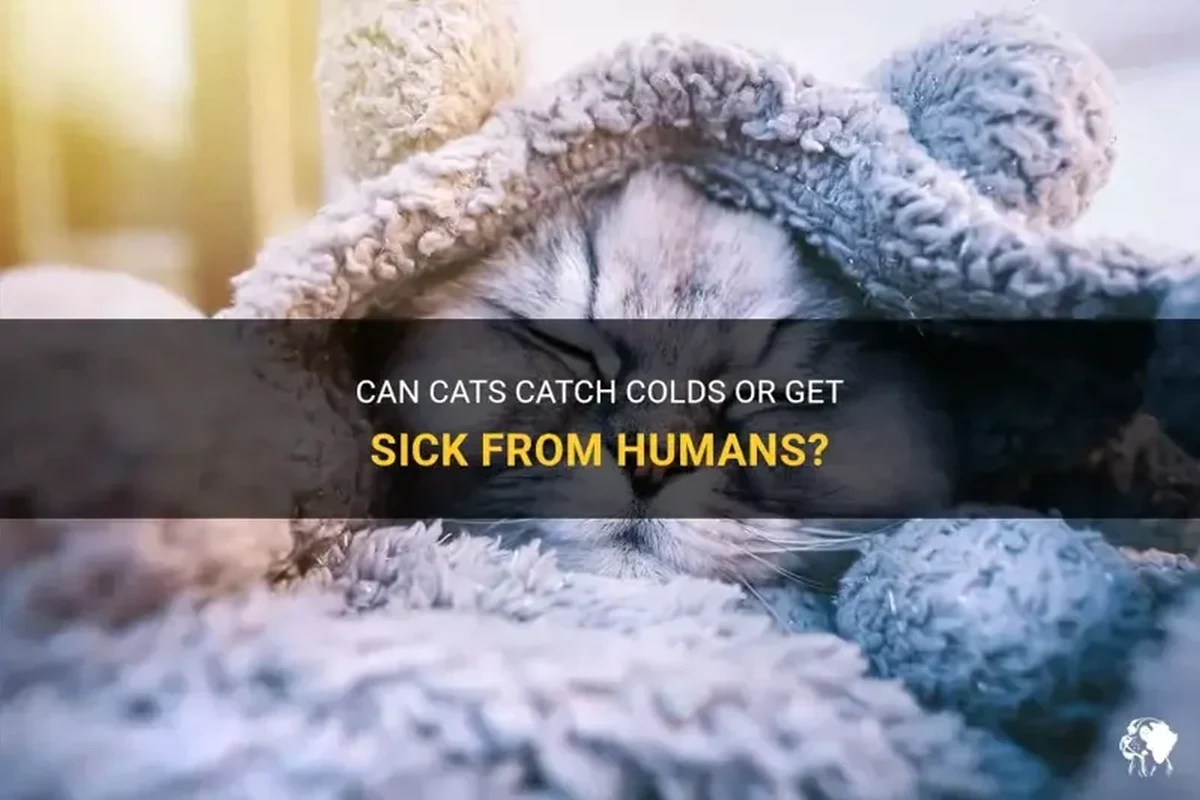
Cats can contract certain diseases from humans, but the instances are relatively rare. The transmission of illnesses generally occurs through close contact, such as sharing food, grooming, or handling an infected person. Understanding the specific diseases that can be transmitted is crucial for pet owners.
Common Diseases Transmitted from Humans to Cats
Some diseases can be passed from humans to cats, although they are not common. These include bacterial infections, viral infections, and parasites. Being aware of these diseases can help you take preventative measures. For related context, you may also want to read do siamese cats have health issues best guide for cat lovers.
- Influenza: Human flu viruses, while uncommon, can infect cats.
- Ringworm: This fungal infection can be transmitted through direct contact.
- Salmonella: This bacteria can be passed through contaminated food or surfaces.
Always consult a veterinarian if you notice any unusual symptoms in your cat.
Signs Your Cat Might Be Sick
Recognizing the signs that your cat may be ill is vital for early intervention. Cats can exhibit various symptoms that indicate they might be suffering from a disease transmitted by humans.
Change in Appetite: A sudden decrease or increase in food intake can be a warning sign. Behavioral Changes: Increased lethargy or withdrawal from social interaction may indicate illness. Physical Symptoms: Look for vomiting, diarrhea, or unusual grooming habits. This connects closely with can i get my cat sick if you want to compare the topic in more detail.
How Humans Can Protect Their Cats
Preventing the transmission of diseases from humans to cats is achievable through simple hygiene practices. By following these steps, you can help keep your cat safe and healthy. You can also use can a sick cat get a human sick as a helpful next guide on the same cat-care topic.
| Hygiene Practice | Description |
|---|---|
| Hand Washing | Wash hands thoroughly before and after handling your cat. |
| Limit Close Contact | Avoid close contact if you are sick to prevent transmission of germs. |
| Regular Vet Checkups | Ensure your cat receives regular veterinary care to monitor health. |
| Clean Environment | Keep living spaces clean to reduce the risk of disease spread. |
- Wash Hands: Always wash your hands after handling food or caring for an ill person.
- Avoid Close Contact: If you are sick, try to limit close contact with your cat.
- Regular Vet Check-ups: Regular check-ups can help catch any potential health issues early.
Use this guide for do cats get sick from humans as a practical checklist, then adjust the advice to your cat’s age, health history, routine, and home environment.
Understanding the Risks of Zoonotic Diseases
Zoonotic diseases are those that can be transmitted between humans and animals. While not all diseases that affect cats come from humans, it’s important to be aware of the risks associated with zoonotic transmission.
Examples of Zoonotic Diseases
Understanding which diseases are zoonotic can help you take appropriate measures to prevent transmission. Here are some examples:
Toxoplasmosis: Often transmitted through contaminated food or litter, this parasite can affect both cats and humans. Leptospirosis: This bacterial disease can be contracted from contaminated water sources. Cat Scratch Fever: Although typically transmitted from cats to humans, it can also occur the other way around. For related context, you may also want to read what are the most common health problems in cats.
Cats can sense changes in their owner’s mood and health, often adjusting their behavior accordingly.
Precautions to Take When Caring for an Ill Family Member
If a family member is sick, taking precautions can help prevent the spread of illness to your cat. Here are some steps you can follow: This connects closely with are there health risks with feeding a cat raw food if you want to compare the topic in more detail.
- Keep Distance: Maintain a safe distance between your cat and the ill person.
- Use Separate Items: Avoid sharing food and grooming items between the sick individual and the cat.
- Clean Frequently: Regularly disinfect surfaces that the sick person may have touched.
Consult your veterinarian immediately if your cat shows signs of distress or unusual behavior.
What to Do If Your Cat Shows Symptoms
If you suspect your cat is showing signs of illness, swift action is necessary. Knowing when to consult a veterinarian is critical for your pet’s health. This connects closely with do black cats have more health problems if you want to compare the topic in more detail.
- Monitor Symptoms:
Keep track of any changes in behavior, appetite, or physical condition.
- Contact Your Veterinarian:
Schedule an appointment if symptoms persist or worsen.
- Follow Vet Advice:
Adhere to treatment plans and preventative measures suggested by your vet.
Preventative Measures for a Healthy Cat
Maintaining your cat’s health goes beyond illness prevention. Regular care and monitoring can help keep your feline friend happy and healthy.
Balanced Diet: Ensure your cat has a nutritious diet to support their immune system. Regular Exercise: Encourage playtime to keep your cat physically active and mentally stimulated. Vaccinations: Keep up with vaccinations to protect against common diseases. For related health context, you may also want to read do maine coon cats have health problems.
This guide on do cats get sick from humans is written for general cat-owner education. For symptoms, food safety, recalls, medication, product specifications, or urgent changes, confirm details with a veterinarian, product label, official manual, manufacturer notice, or current recall source before acting.
What to Watch For With Do cats get sick from humans
do cats get sick from humans should be understood as a reason to observe your cat carefully, compare signs, avoid guessing, and contact a veterinarian when symptoms are sudden, severe, repeated, painful, or linked to appetite, breathing, urination, weight, kittens, or senior cats. This connects closely with do tabby cats have more health issues if you want to compare the topic in more detail.
- Track when the sign started and how often it happens.
- Avoid home treatment, medication, or dosing without veterinary guidance.
- Use this article to prepare better questions for your veterinarian.
Final Words
In summary, while cats can get sick from humans, such occurrences are not very common. By practicing good hygiene and being aware of the signs of illness, you can significantly reduce the risks. Regular veterinary care and monitoring your cat’s health are essential for ensuring their well-being. Stay informed and proactive to create a safe environment for your feline companion.
🐾 Sufiya Begom's Tip: Every cat is different, so I always watch my own cats closely before assuming the worst. Small changes in appetite, grooming, or energy often mean something simple is going on — but if anything feels off for more than a day, it is always worth a quick check with your vet. Trust your instincts as a cat owner.
Frequently Asked Questions
Start with intended use, fit, verified specifications, safety instructions, care needs, and important limitations.
Start with the cat’s age, health history, home environment, safety guidance, and the main reason behind the topic.
It can vary by kitten, adult, senior cat, breed, temperament, health condition, diet, stress level, and home setup.
Check food changes, litter changes, symptoms, behavior changes, product fit, cleaning routine, and veterinarian guidance when health is involved.
A common mistake is treating every cat the same instead of considering age, health, environment, stress, and safety risks.
Contact a veterinarian if signs are sudden, severe, repeated, painful, linked to appetite, breathing, urination, weight, or involve kittens or senior cats.