
Yes, to put your cat on a diet, start by consulting your veterinarian for a tailored meal plan. Gradually reduce portion sizes, switch to a weight management cat food, and incorporate playtime to increase activity levels. How to put my cat on a diet effectively ensures a healthier, happier life for your pet.
Last updated: July 14, 2026
Many cat owners find themselves wondering how to put my cat on a diet for a healthier, happier life. Obesity in cats can lead to numerous health issues, making it crucial for pet owners to understand the right approach to weight management. In this comprehensive guide, we will explore the importance of weight management, how to identify if your cat needs to lose weight, and practical steps to safely put your cat on a diet.
- Start with the cat: Age, health, diet, behavior, and home setup change the right answer.
- Check safety first: Watch for pain, appetite changes, breathing issues, urination changes, or repeated symptoms.
- Use practical steps: Adjust routines, food, litter, grooming, play, or products slowly and safely.
- Know the limits: Cat-care advice varies by cause, product, environment, and veterinarian guidance.
Understanding the Importance of Weight Management in Cats
Managing your cat’s weight is vital for their overall health and longevity. Obesity can lead to various health complications, including diabetes, arthritis, and heart disease. Addressing weight issues early can significantly improve your cat’s quality of life and help prevent these severe health issues. For related context, you may also want to read is wet food better for cat health.
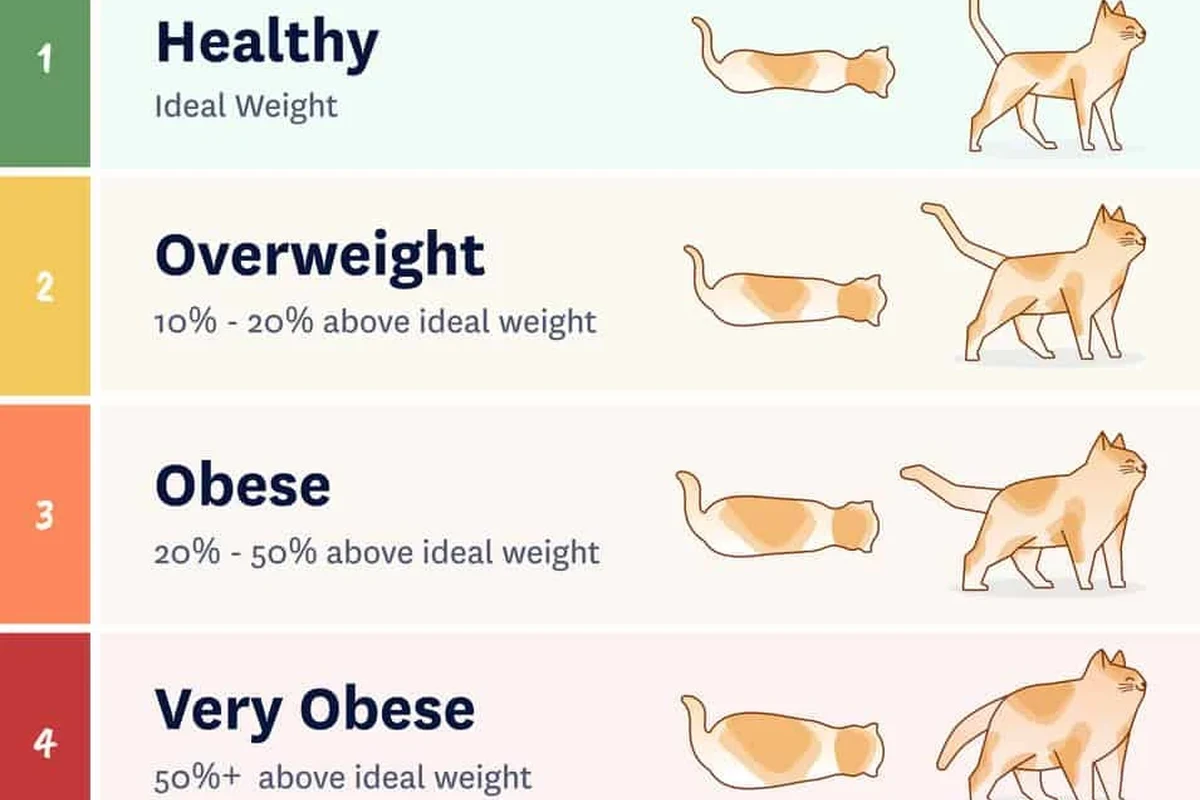
Always consult with your veterinarian before starting a new diet plan for your cat.
Identifying If Your Cat Needs to Lose Weight
Before starting a diet, it’s essential to determine if your cat is overweight. There are specific signs and health risks associated with obesity that every cat owner should recognize.
Common Signs of Overweight Cats
Recognizing the signs of an overweight cat can help you take action before more serious health issues arise. Common indicators include a noticeable roundness in the abdomen, difficulty grooming, and decreased activity levels.
- Visible belly fat, especially when viewed from the side.
- Difficulty feeling your cat’s ribs through the skin.
- Reduced energy levels and reluctance to engage in play.
Health Risks Associated with Obesity in Cats
Being overweight poses several health risks that can affect your cat’s quality of life. Understanding these risks can motivate you to take the necessary steps to put your cat on a diet.
Increased risk of diabetes, which can lead to insulin resistance. Joint problems such as arthritis due to excess weight. Heart disease and respiratory issues caused by obesity. This also connects with how much does a vet visit cost for a cat health checkup if you want to avoid a similar cat-care mistake.
Steps to Safely Put Your Cat on a Diet
Implementing a safe and effective diet for your cat requires careful planning and consultation with your veterinarian. Here are the key steps to consider.
Consulting Your Veterinarian: Why It’s Essential
Before making any dietary changes, it’s crucial to consult your veterinarian. They can provide insights into your cat’s specific health needs and recommend a personalized weight-loss plan.
Choosing the Right Diet for Your Cat
Choosing the right food is critical when putting your cat on a diet. Look for high-protein, low-carb options that promote muscle retention while reducing fat stores. For feeding context, you may also want to read how much is a health check for a cat.
| Diet Type | Best For | What to Check |
|---|---|---|
| High-Protein | Active cats | Check meat content percentage. |
| Weight Management Formula | Overweight cats | Look for low-calorie options. |
| Wet Food | Cats needing hydration | Verify moisture content. |
- Check your cat’s current weight and ideal weight.
- Consult your vet for daily caloric needs.
- Measure food portions accurately to avoid overfeeding.
Creating a Balanced Meal Plan for Your Cat
Once you have the right diet, implementing a balanced meal plan is essential for effective weight management. This step includes portion control and gradually introducing new foods.
Portion Control: How Much Should You Feed?
Proper portion control is vital for preventing overeating. Your veterinarian can help you determine the appropriate daily caloric intake based on your cat’s age, weight, and activity level.
Introducing New Foods Gradually
When changing your cat’s diet, it’s crucial to introduce new foods gradually to avoid digestive issues. Mix small amounts of the new food with the old food over several days. This connects closely with how much is a health certificate for a cat if diet or appetite is part of the issue.
🐾 Sufiya Begom’s Tip: Keep a log of your cat’s activity levels and adjust playtime as needed to keep them engaged.
Incorporating Exercise into Your Cat’s Routine
Along with diet, increasing your cat’s physical activity is essential for weight loss. Engaging your cat in play can help burn calories and improve their overall health.
Fun Ways to Encourage Your Cat to Play
Encouraging play doesn’t have to be challenging. Here are some fun and effective ways to get your cat moving.
- Use interactive toys that stimulate their hunting instincts.
- Engage in short play sessions multiple times a day.
- Set up climbing structures to encourage climbing and exploration.
Understanding Your Cat’s Activity Level
Monitoring your cat’s activity level can help you tailor their exercise routine. Observe their behavior to determine the best activities. This connects closely with are there health risks with feeding a cat raw food if you want to compare the topic in more detail.
Common Mistakes to Avoid When Dieting Your Cat
While creating a diet plan, it’s important to avoid common pitfalls that could hinder your cat’s progress. Recognizing these mistakes can help ensure a successful weight loss journey.
Over-restricting Food Intake
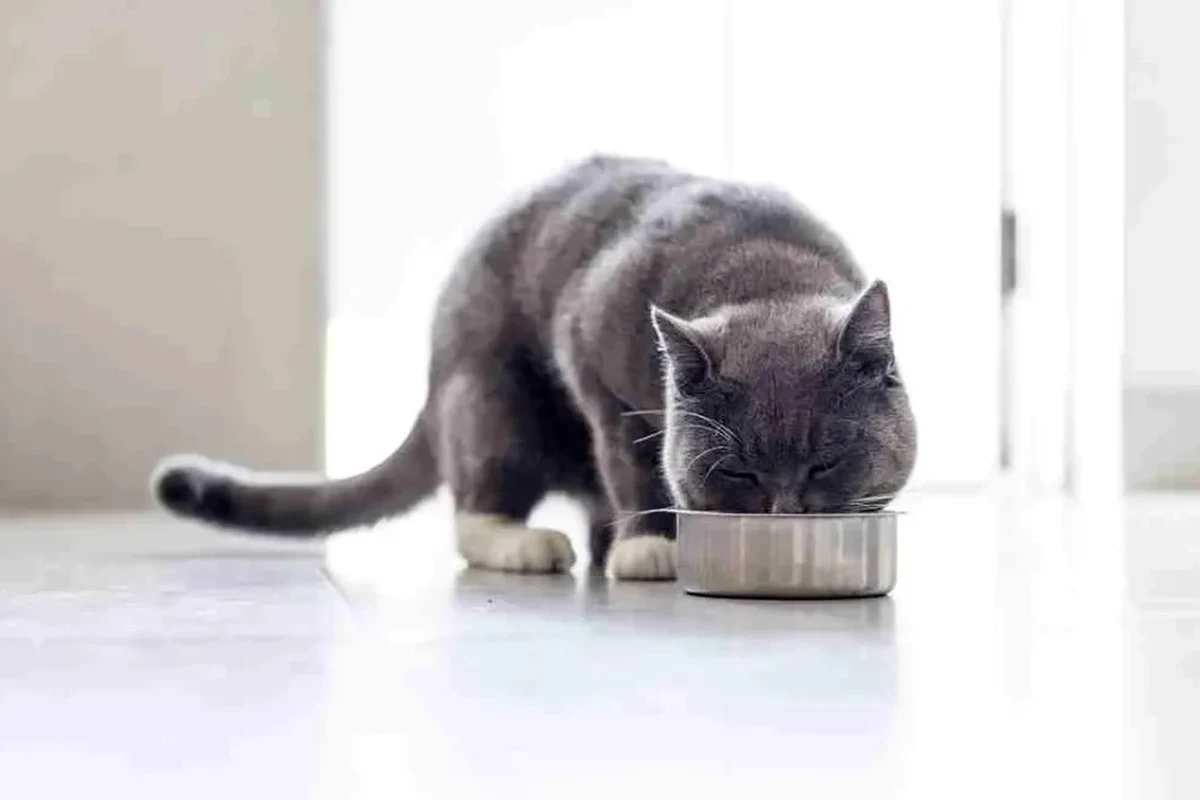
Many owners mistakenly believe that drastically reducing food intake is the best way to help their cat lose weight. This approach can lead to malnutrition and other health issues.
Ignoring Behavioral Changes
Keep an eye on your cat’s behavior during their diet. Changes in mood or habits can indicate stress or health problems that may require veterinary attention. You can also use how to check if your cat has a health problem as a helpful next guide on the same cat-behavior topic.
If you notice significant changes in your cat’s behavior or appetite, consult your veterinarian promptly.
Monitoring Your Cat’s Progress
Regularly monitoring your cat’s weight and overall health is essential to ensure the effectiveness of the diet plan. Adjustments may be needed along the way.
Keeping Track of Weight and Body Condition
Weigh your cat regularly and assess their body condition score to track progress. This can be done at home or during veterinary visits.
When to Adjust the Diet Plan
Be prepared to modify your cat’s diet plan as they reach weight loss milestones or if their health needs change. Regular consultations with your veterinarian can guide these adjustments. For feeding context, you may also want to read how do i create a play area for my cat.
- Use a digital scale to measure food portions accurately.
- Consider a feeding schedule to control meal timing.
- Provide fresh water at all times to keep your cat hydrated.
What This Means for Cat Owners
Successfully managing your cat’s weight requires commitment and understanding. By following a structured diet plan, engaging them in play, and consulting with your veterinarian, you can help your cat live a healthier, happier life. This connects closely with how to prevent obesity in cats for better health if you want to compare the topic in more detail.
Tools and Products to Assist in Your Cat’s Diet Journey
Several tools and products can assist in managing your cat’s weight effectively. From specialized food to feeding accessories, these can make a difference.
Recommended Cat Foods for Weight Loss
When selecting cat food for weight loss, look for options that are specifically designed for this purpose. High-quality ingredients and balanced nutrition should be top priorities.
Useful Feeding Accessories
Incorporating feeding accessories can help manage portion sizes and prevent overeating. Consider using automatic feeders or portion control bowls.
This guide on how to put my cat on a diet is written for general cat-owner education. For symptoms, food safety, recalls, medication, product specifications, or urgent changes, confirm details with a veterinarian, product label, official manual, manufacturer notice, or current recall source before acting.
Preventing Weight Gain in the Future
Once your cat reaches a healthy weight, your focus should shift to maintaining that weight. Establishing healthy habits early can prevent future weight gain.
Establishing Healthy Habits Early
Creating a routine that includes balanced meals and regular exercise can help maintain your cat’s weight. Start these habits early to promote long-term health.
Recognizing Stress and Its Impact on Weight
Stress can lead to changes in eating habits, affecting your cat’s weight. Be aware of environmental changes and their potential impact on your cat’s behavior.
Final Words
Helping your cat achieve and maintain a healthy weight is a rewarding journey that requires dedication, monitoring, and support. With the right diet, exercise, and veterinary guidance, your cat can enjoy a happier, healthier life. Remember to be patient and adjust your approach as needed to meet your cat’s specific needs.
Frequently Asked Questions
Start with intended use, fit, verified specifications, safety instructions, care needs, and important limitations.
Start with the cat’s age, health history, home environment, safety guidance, and the main reason behind the topic.
It can vary by kitten, adult, senior cat, breed, temperament, health condition, diet, stress level, and home setup.
Check food changes, litter changes, symptoms, behavior changes, product fit, cleaning routine, and veterinarian guidance when health is involved.
A common mistake is treating every cat the same instead of considering age, health, environment, stress, and safety risks.
Contact a veterinarian if signs are sudden, severe, repeated, painful, linked to appetite, breathing, urination, weight, or involve kittens or senior cats.