
To get your cat to eat dry food, gradually mix it with wet food, ensuring the ratio shifts over time. Engage your cat during mealtime with interactive feeding toys and try different brands to find one they prefer. Consistency and patience are key to making dry food appealing again.
Last updated: July 14, 2026
Many cat owners wonder how to get their cat to eat dry food, especially if their furry friend prefers wet options. Understanding the reasons behind a cat’s food preferences is crucial for a successful transition. This article will explore common reasons for dry food rejection, signs of poor consumption, and effective strategies to encourage dry food eating, ensuring your cat enjoys mealtime again.
- Start with the cat: Age, health, diet, behavior, and home setup change the right answer.
- Check safety first: Watch for pain, appetite changes, breathing issues, urination changes, or repeated symptoms.
- Use practical steps: Adjust routines, food, litter, grooming, play, or products slowly and safely.
- Know the limits: Cat-care advice varies by cause, product, environment, and veterinarian guidance.
Understanding Why Your Cat May Avoid Dry Food
Before you can effectively encourage your cat to eat dry food, it’s important to understand the factors that might make them avoid it. Cats can be finicky eaters, and their preferences can be influenced by various factors ranging from taste to health. In this section, we will explore the common reasons why cats may reject dry food.
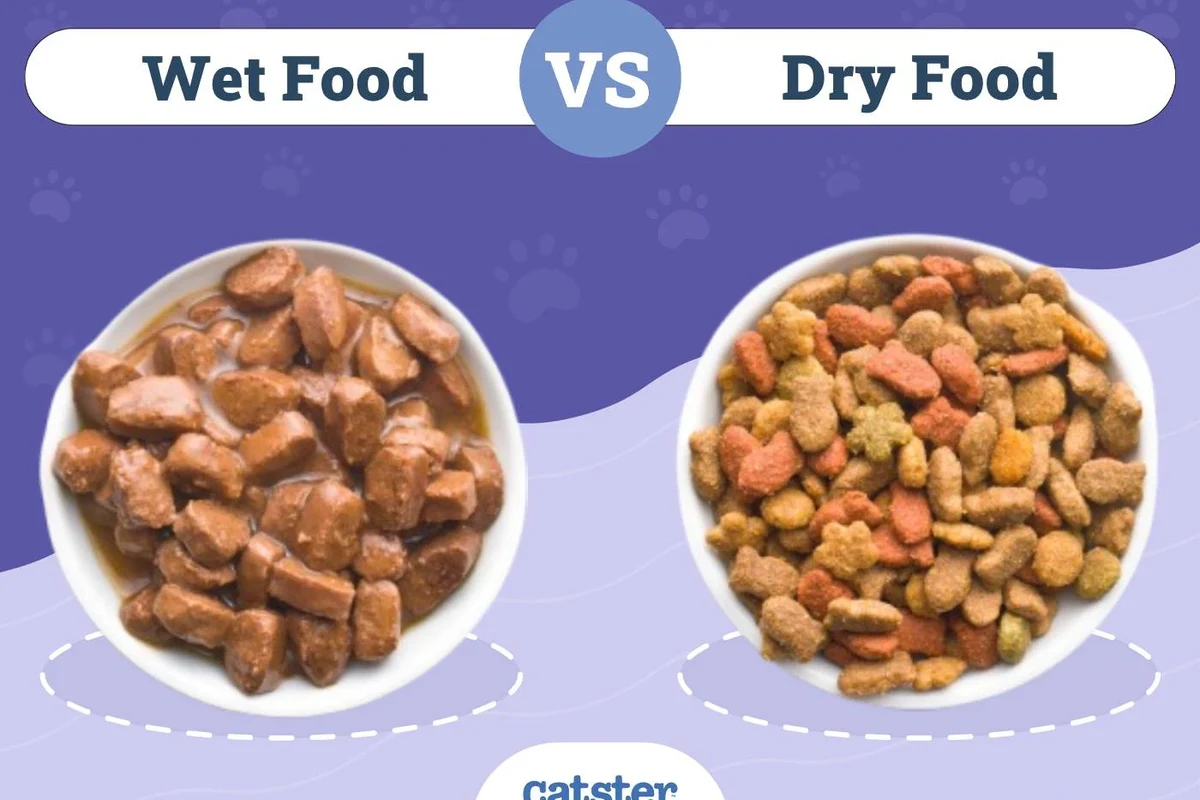
Common Reasons Cats Reject Dry Food
There are several reasons why your cat might turn their nose up at dry food. Cats are known for their selective eating habits, and preferences can vary widely. Understanding these reasons can help you address the issue effectively.
- Texture Preferences: Some cats may prefer the moist texture of wet food over the crunchiness of dry food.
- Flavor and Aroma: Cats have strong preferences for certain flavors and may find some dry foods less appealing.
- Health Issues: Dental problems or other health concerns can make chewing dry food uncomfortable.
The Role of Wet Food in Your Cat’s Diet
Wet food plays a significant role in a cat’s diet, often providing moisture and a palatable option that many cats prefer. However, it’s essential to balance their diet with dry food for the benefits it offers, including dental health. In this section, we will discuss how wet food can impact your cat’s eating habits.
Hydration: Wet food contains a higher moisture content, helping to keep cats hydrated, especially if they don’t drink enough water. Dental Health: Dry food can help reduce plaque buildup, promoting better dental hygiene when incorporated into their diet. Caloric Density: Wet food is often more calorie-dense, which can lead to overeating if not balanced with dry food. For feeding context, you may also want to read is wet food better for cat health.
Use this guide for how to get your cat to eat dry food as a practical checklist, then adjust the advice to your cat’s age, health history, routine, and home environment.
Identifying Signs Your Cat is Not Eating Dry Food
If your cat is not eating dry food, it’s crucial to recognize the signs early on. Understanding their behavior can help identify potential health issues and ensure they receive the nutrition they need. In this section, we will explore the behavioral signs and health symptoms associated with poor dry food consumption.
Behavioral Signs to Look For
Observing your cat’s behavior can provide valuable insights into their eating habits. If they are avoiding dry food, there are specific signs you may notice.
- Ignoring the Food Bowl: If your cat frequently ignores their dry food while eating wet food, it can be a clear indicator of preference.
- Hiding Food: Cats may bury or hide dry food to avoid eating it, signaling displeasure with the option.
- Weight Changes: Noticeable weight loss or gain can indicate changes in eating habits.
Health Symptoms Associated with Poor Dry Food Consumption
Inadequate dry food consumption can lead to various health issues. It’s essential to monitor your cat for any concerning symptoms that may arise from not eating dry food.
Dental Issues: Reduced chewing may lead to plaque buildup and other dental problems. Digestive Problems: A sudden change in diet can cause gastrointestinal issues, such as diarrhea or vomiting. Dehydration: Without dry food, your cat might not be getting enough hydration, leading to other health complications. This connects closely with are there health risks with feeding a cat raw food if diet or appetite is part of the issue.
Step-by-Step Guide to Transitioning Your Cat to Dry Food
Transitioning your cat to dry food can be a gradual process that involves careful planning and patience. This section will provide a comprehensive guide to help you make the change successfully.
| Step | Description |
|---|---|
| 1 | Introduce Dry Food Gradually: Start by mixing a small amount of dry food with your cat’s current food. |
| 2 | Increase Dry Food Ratio: Gradually increase the proportion of dry food over 7-10 days. |
| 3 | Monitor Acceptance: Observe your cat’s reaction and adjust the mix based on their preferences. |
| 4 | Maintain Consistency: Ensure that mealtimes are regular and consistent to create a routine. |
Choosing the Right Dry Food for Your Cat
Selecting the right dry food is crucial for your cat’s acceptance of it. Not all dry foods are created equal, and understanding what to look for will help you choose the best option.
- High-Quality Ingredients: Look for dry food with real meat as the first ingredient and minimal fillers.
- Specific Life Stage Formulas: Ensure the food is appropriate for your cat’s age and health condition.
- Palatability: Some brands offer dry food designed for picky eaters; consider trying those options first.
Gradual Introduction Techniques
A gradual introduction is key to successfully transitioning your cat to dry food. Rushing the process can lead to rejection or digestive upset.
- Mixing Foods: Start by mixing a small amount of dry food with their wet food to gradually introduce the new texture and flavor.
- Increase Dry Food Ratio: Gradually increase the proportion of dry food over several days until it’s the primary component of their diet.
- Monitor Reactions: Pay attention to your cat’s reactions and adjust the mix accordingly, ensuring they are comfortable with the change.
Incorporating Dry Food into Your Cat’s Routine
Establishing a routine around mealtime can help your cat adjust to eating dry food. Consistency is essential for forming new habits.
Set Regular Feeding Times: Feed your cat at the same times each day to create a predictable routine. Provide Fresh Water: Always have fresh water available to encourage hydration alongside dry food. Limit Treats: Reduce the number of treats given to encourage your cat to eat their dry food instead. For feeding context, you may also want to read how to check if your cat has a health problem.
Cats often show discomfort through small changes in appetite, litter box use, grooming, hiding, play, or body language before the problem looks obvious.
Common Mistakes to Avoid When Introducing Dry Food
While transitioning your cat to dry food, there are common pitfalls that many cat owners encounter. Avoiding these mistakes can make the process smoother and more effective.
Rushing the Transition Process
One of the biggest mistakes is rushing the transition from wet to dry food. Cats need time to adjust to new textures and flavors.
- Gradual Change: Always introduce new foods gradually to avoid digestive upset.
- Observe Behavior: Monitor your cat’s behavior and eating patterns as you make changes.
- Be Patient: Understand that it may take time for your cat to accept dry food.
Ignoring Your Cat’s Preferences
Every cat has unique preferences when it comes to food. Ignoring what your cat likes can lead to resistance and frustration.
Test Different Brands: Don’t hesitate to try various brands and flavors to find one your cat enjoys. Consider Texture: Some cats prefer larger kibble or smaller pieces; consider their chewing habits. Mixing Options: If possible, continue to mix wet and dry food until they are fully transitioned.
Not Monitoring Your Cat’s Health During the Change
Health should always be a priority when changing your cat’s diet. It’s essential to keep an eye on their well-being throughout the transition process. This connects closely with how to improve your cats joint health if you want to compare the topic in more detail.
- Regular Vet Check-Ups: Schedule regular veterinary visits to monitor your cat’s health.
- Watch for Symptoms: Be vigilant for any signs of distress or health changes, such as vomiting or lethargy.
- Adjust as Needed: If your cat shows any adverse reactions, consult a veterinarian for guidance.
- Take a short video if the behavior or symptom is hard to explain.
- Keep your cat calm and separate from stress triggers while you observe.
- Do not wait if the problem is getting worse or your cat seems distressed.
Safety Considerations and When to Consult a Veterinarian
Transitioning your cat to dry food should be done with care, especially if they have existing health issues. Understanding when to seek professional help is essential for their safety.
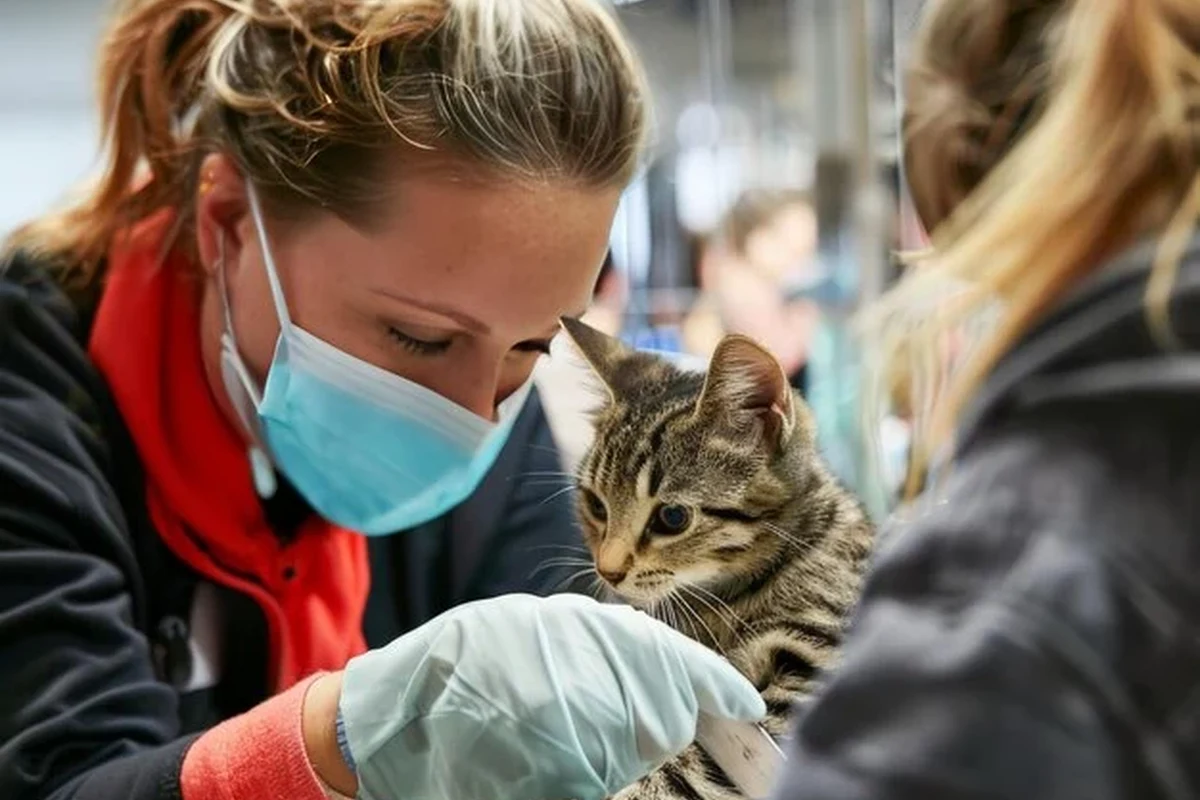
Signs That Require Immediate Veterinary Attention
If your cat exhibits any concerning symptoms during the transition, it’s important to consult a veterinarian. Recognizing these signs can help prevent more serious health issues.
Persistent Vomiting: Frequent vomiting could indicate an intolerance or serious health issue. Dehydration: Signs of dehydration, such as lethargy or dry gums, should prompt immediate veterinary consultation. Behavioral Changes: Sudden changes in behavior, such as hiding or aggression, can signal health problems.
Understanding Health Risks for Kittens and Senior Cats
Kittens and senior cats may have specific dietary needs and risks when transitioning to dry food. It’s crucial to consider their unique health profiles. For related safety context, compare this with how to improve your cats digestive health.
- Kittens: They need a diet rich in nutrients; ensure any dry food is appropriate for their growth stage.
- Senior Cats: Older cats may have dental issues; opt for softer kibble or consult a vet for suitable options.
- Monitor Health Closely: Both kittens and seniors should be monitored closely for any signs of distress during dietary changes.
Call your veterinarian promptly if signs are sudden, severe, repeated, painful, linked to appetite, breathing, urination, weight loss, or involve a kitten or senior cat.
Product Recommendations for Encouraging Dry Food Consumption
Choosing the right products can significantly impact your cat’s willingness to eat dry food. Below, we list some recommended dry foods and feeding tools that may help.
Best Dry Cat Foods for Picky Eaters
Finding dry foods formulated for picky eaters can make a significant difference in your cat’s acceptance of dry food. Here are some options that have proven popular with discerning cats.
Hill’s Science Diet: Known for its quality ingredients and palatability, this brand is often recommended by veterinarians. Royal Canin: Offers breed-specific and age-specific formulas that cater to various preferences. Purina Pro Plan: Provides a range of flavors and textures, making it easier to find a suitable option for your cat.
Feeding Tools That Can Help
Utilizing specific feeding tools can enhance your cat’s mealtime experience and encourage them to eat dry food. Below are some recommended tools. This connects closely with how much should a cat eat if diet or appetite is part of the issue.
- Food Puzzle Toys: These can make mealtime fun and engaging, encouraging your cat to eat dry food.
- Interactive Feeders: Slow feeders can help manage portion control and prolong eating time, which may encourage acceptance.
- Food Bowls with Non-Slip Bases: Ensure the bowl stays stable, making it easier for your cat to eat without frustration.
What This Means for Cat Owners
Understanding how to get your cat to eat dry food involves recognizing their unique preferences and health needs. By addressing their concerns and introducing dry food gradually, you can help ensure your cat enjoys mealtime again. Remember that patience is key, and always consult a veterinarian if you notice any concerning signs. For related context, you may also want to read how much does a vet visit cost for a cat health checkup.
This guide on how to get your cat to eat dry food is written for general cat-owner education. For symptoms, food safety, recalls, medication, product specifications, or urgent changes, confirm details with a veterinarian, product label, official manual, manufacturer notice, or current recall source before acting.
Tips for Maintaining a Healthy Diet for Your Cat
Once your cat has transitioned to dry food, maintaining a healthy diet is essential for their well-being. This section offers tips to ensure your cat continues to thrive.
Monitoring Weight and Health Post-Transition
After transitioning your cat to dry food, it’s crucial to monitor their weight and overall health. Regular check-ins can help you identify any potential issues early on.
Regular Weigh-ins: Weigh your cat weekly to track any significant changes in weight. Observe Eating Habits: Make sure they’re eating a balanced amount of food each day. Vet Visits: Schedule follow-up vet appointments to assess their health and adjust their diet if necessary.
Creating a Balanced Meal Plan
Developing a balanced meal plan is vital for your cat’s nutrition. Consider their age, weight, and activity level when planning their meals. This connects closely with how much is a health check for a cat if diet or appetite is part of the issue.
- Consult Your Vet: Work with your veterinarian to determine the best feeding guidelines for your cat.
- Incorporate Variety: Occasionally introduce different flavors or types of dry food to keep mealtime interesting.
- Monitor Water Intake: Ensure your cat always has access to fresh water, especially when feeding dry food.
Final Words
Getting your cat to eat dry food may take time, patience, and a bit of creativity. By understanding their preferences and approaching the transition thoughtfully, you can help your cat develop a love for dry food that benefits their health. Remember to monitor their progress and consult with a veterinarian if needed to ensure a smooth transition.
🐾 Sufiya Begom's Tip: Every cat is different, so I always watch my own cats closely before assuming the worst. Small changes in appetite, grooming, or energy often mean something simple is going on — but if anything feels off for more than a day, it is always worth a quick check with your vet. Trust your instincts as a cat owner.
Frequently Asked Questions
Start with intended use, fit, verified specifications, safety instructions, care needs, and important limitations.
Start with the cat’s age, health history, home environment, safety guidance, and the main reason behind the topic.
It can vary by kitten, adult, senior cat, breed, temperament, health condition, diet, stress level, and home setup.
Check food changes, litter changes, symptoms, behavior changes, product fit, cleaning routine, and veterinarian guidance when health is involved.
A common mistake is treating every cat the same instead of considering age, health, environment, stress, and safety risks.
Contact a veterinarian if signs are sudden, severe, repeated, painful, linked to appetite, breathing, urination, weight, or involve kittens or senior cats.