
A healthy cat has bright eyes, a shiny coat, and a well-proportioned body. It maintains a healthy weight, has good energy levels, and exhibits normal behavior, such as playfulness and curiosity. Regular grooming and a balanced diet contribute to what a healthy cat looks like.
Last updated: July 11, 2026
Understanding what does a healthy cat look like is essential for every cat owner, as it can help you ensure your feline friend’s wellbeing. A healthy cat typically exhibits a combination of physical, mental, and behavioral traits that reflect their overall health. This guide will provide insights into identifying these signs, the importance of regular veterinary visits, and how to maintain your cat’s health through proper diet and care.
- Start with the cat: Age, health, diet, behavior, and home setup change the right answer.
- Check safety first: Watch for pain, appetite changes, breathing issues, urination changes, or repeated symptoms.
- Use practical steps: Adjust routines, food, litter, grooming, play, or products slowly and safely.
- Know the limits: Cat-care advice varies by cause, product, environment, and veterinarian guidance.
What Does a Healthy Cat Look Like? Signs to Ensure Wellbeing
A healthy cat presents specific traits that range from their physical appearance to their behavior and emotional state. Recognizing these signs is crucial for timely interventions when health issues arise. This section will outline the key indicators you should look for in your cat. For related health context, you may also want to read how much does a vet visit cost for a cat health checkup.
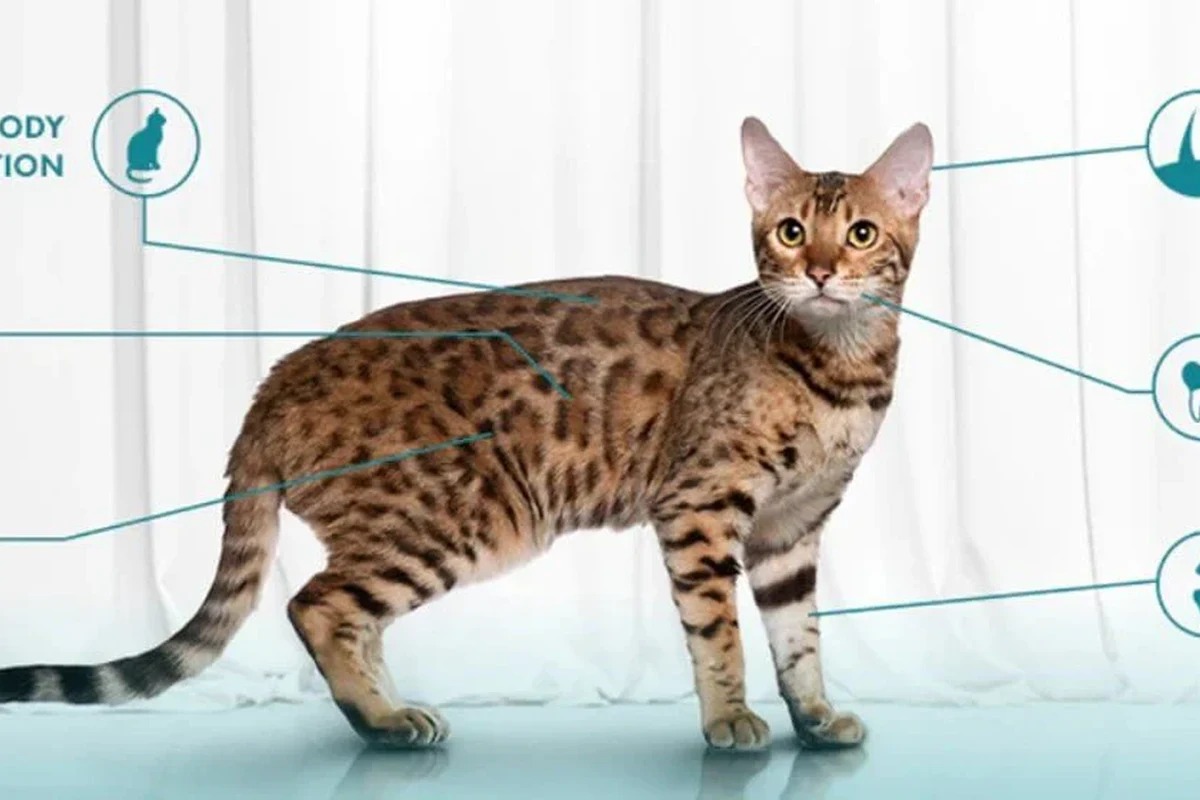
Key Physical Signs of a Healthy Cat
Physical appearance is often the first indicator of a cat’s health. A healthy cat will have clear eyes, a clean coat, and a well-proportioned body. Observing these physical traits regularly can help you catch potential health issues early on. This connects closely with how to check if your cat has a health problem if you want to compare the topic in more detail.
- Clear Eyes: Bright, clear eyes without discharge indicate good health.
- Clean Coat: A shiny and well-groomed coat suggests proper grooming habits and health.
- Healthy Weight: A cat should have a defined waist and not be overweight or underweight.
- Good Skin Condition: The skin should be free from lumps, bumps, or excessive scratching.
- Normal Breathing: Breathing should be smooth and steady without wheezing or coughing.
Schedule annual vet visits to ensure your cat’s health and catch any issues early.
Mental and Emotional Indicators of Feline Health
Just like physical health, a cat’s mental and emotional wellbeing is crucial. Healthy cats are typically active, curious, and social. Changes in behavior can indicate underlying issues that need addressing.
| Behavioral Signs | Possible Issues |
|---|---|
| Increased playfulness | Healthy mental state |
| Excessive hiding | Stress or anxiety |
| Social interaction | Good emotional health |
| Aggressive behavior | Discomfort or pain |
Curiosity: A healthy cat shows interest in their surroundings and engages in play. Affection: Healthy cats often seek affection and companionship from their owners. Stress-Free Behavior: A calm demeanor without excessive hiding or aggression indicates mental health. Playfulness: Regular play is essential for mental stimulation and physical health. Vocalization: Healthy cats will vocalize appropriately, expressing their needs without excessive meowing. For related health context, you may also want to read what are the symptoms of a cat dying.
Seek veterinary advice immediately if you notice any sudden or severe changes in your cat’s behavior or health.
Common Behavioral Traits of a Healthy Cat
Behavioral traits can serve as key indicators of a cat’s health. Observing daily habits, such as eating, grooming, and litter box use, can provide insights into their wellbeing. Cats often have unique personalities, but certain behaviors are universally indicative of good health. You can also use what are symptoms of a pregnant cat 2 as a helpful next guide on the same cat-behavior topic.
| Behavior | Significance | What to Check |
|---|---|---|
| Regular Grooming | Healthy grooming indicates physical health and comfort. | Look for matting or excessive hair loss. |
| Consistent Eating Habits | Regular appetite suggests good health. | Monitor for changes in eating patterns. |
| Litter Box Use | Regular and appropriate use indicates digestive health. | Check for changes in frequency or consistency. |
| Active Play | Engagement in play signifies mental and physical health. | Ensure they have toys and stimulation. |
| Grooming Behavior | Self-grooming is a sign of comfort; excessive grooming can indicate stress. | Monitor for signs of anxiety or skin issues. |
Understanding the Importance of Regular Veterinary Check-ups
Regular veterinary visits are essential for maintaining your cat’s health. These check-ups allow for early detection of potential health issues and vaccinations to prevent disease. Understanding what to expect during these visits can help you better prepare. For related health context, you may also want to read how much is a health check for a cat.
- Check your cat’s age, health, and routine.
- Monitor changes in appetite or behavior.
- Consult a veterinarian for any concerning symptoms.
How Diet Affects Cat Health: What to Look For
Diet plays a crucial role in your cat’s overall health. A balanced diet helps maintain a healthy weight, supports energy levels, and promotes a shiny coat. Understanding the nutritional needs of your cat can help you choose the right food. This connects closely with are there health risks with feeding a cat raw food if diet or appetite is part of the issue.
- High-Quality Protein: Essential for muscle maintenance.
- Healthy Fats: Important for skin and coat health.
- Vitamins and Minerals: Vital for overall health and immune function.
- Hydration: Ensure your cat has access to fresh water at all times.
- Portion Control: Monitor feeding amounts to avoid obesity.
Signs of Illness: When to Be Concerned
Recognizing the signs of illness in your cat is critical for timely intervention. Some symptoms may be subtle, while others are more obvious. Knowing when to consult a veterinarian can save your cat’s life.
Loss of Appetite: A sudden decrease in food intake can indicate health issues. Vomiting or Diarrhea: Frequent vomiting or diarrhea warrants immediate attention. Lethargy: Unusual tiredness or lack of energy is a red flag. Changes in Litter Box Habits: Changes in urination or defecation patterns can signal problems. Excessive Grooming or Scratching: This could indicate skin issues or stress. For related health context, you may also want to read how much is a health certificate for a cat.
- Ensure regular vet check-ups for vaccinations.
- Provide a balanced diet tailored to your cat’s needs.
- Engage your cat in play to stimulate their mind.
What This Means for Cat Owners
As a cat owner, knowing what a healthy cat looks like allows you to provide the best care possible. Regular monitoring of your cat’s physical, mental, and emotional health can lead to a longer, happier life for your feline friend. Stay proactive about their health by maintaining proper diet, routine veterinary visits, and a stimulating environment. This connects closely with what is wrong with my cat symptom checker quick guide if you want to compare the topic in more detail.
Monitoring Your Cat’s Health at Home
Monitoring your cat’s health at home involves regular observation of their behavior and routine. Keeping a close eye on their eating, grooming, and litter box habits can help you catch potential health issues early.
All cat breeds can benefit from proper health maintenance.
Homes with multiple cats should monitor each cat individually.
Be cautious with dietary changes; consult your vet first.
Common Mistakes Cat Owners Make Regarding Health
Even the most caring cat owners can make mistakes that affect their cat’s health. Being aware of these common pitfalls can help you avoid them and ensure your cat remains healthy.
- Ignoring Changes: Not noticing small changes can lead to bigger problems.
- Overfeeding: Being unaware of portion sizes can lead to obesity.
- Neglecting Dental Health: Dental issues can lead to serious health problems.
- Skipping Vet Visits: Regular check-ups are vital for early detection of health issues.
- Not Providing Enrichment: Lack of stimulation can lead to behavioral issues.
This guide on what does a healthy cat look like is written for general cat-owner education. For symptoms, food safety, recalls, medication, product specifications, or urgent changes, confirm details with a veterinarian, product label, official manual, manufacturer notice, or current recall source before acting.
Preventive Measures for Ensuring Your Cat’s Wellbeing
Preventive measures are essential in maintaining your cat’s health and wellbeing. These can include vaccinations, regular vet visits, and a balanced diet tailored to your cat’s specific needs.
Useful Tools and Products for Maintaining Cat Health
There are various tools and products available that can help you maintain your cat’s health. From grooming supplies to feeding solutions, being equipped with the right items can enhance your cat’s life.
Final Words
By understanding what a healthy cat looks like, you can take proactive steps to ensure your feline friend lives a long and happy life. Regular monitoring, veterinary care, and a balanced diet will keep your cat healthy and thriving. Remember, your cat relies on you to provide the care and attention they need.
🐾 Sufiya Begom's Tip: Every cat is different, so I always watch my own cats closely before assuming the worst. Small changes in appetite, grooming, or energy often mean something simple is going on — but if anything feels off for more than a day, it is always worth a quick check with your vet. Trust your instincts as a cat owner.
Frequently Asked Questions
Start with intended use, fit, verified specifications, safety instructions, care needs, and important limitations.
Start with the cat’s age, health history, home environment, safety guidance, and the main reason behind the topic.
It can vary by kitten, adult, senior cat, breed, temperament, health condition, diet, stress level, and home setup.
Check food changes, litter changes, symptoms, behavior changes, product fit, cleaning routine, and veterinarian guidance when health is involved.
A common mistake is treating every cat the same instead of considering age, health, environment, stress, and safety risks.
Contact a veterinarian if signs are sudden, severe, repeated, painful, linked to appetite, breathing, urination, weight, or involve kittens or senior cats.