
Common symptoms of kidney disease in cats include increased thirst and urination, weight loss, decreased appetite, vomiting, and lethargy. If you notice these signs, it’s crucial to consult a veterinarian promptly for diagnosis and treatment.
As a cat owner, understanding your feline friend’s health is crucial, particularly when it comes to kidney disease. Knowing what are the symptoms of kidney disease in cats can help you detect any issues early, ensuring timely veterinary intervention. This article will outline the key symptoms to watch for, explore their implications, and offer tips on managing your cat’s kidney health.
- Start with the cat: Age, health, diet, behavior, and home setup change the right answer.
- Check safety first: Watch for pain, appetite changes, breathing issues, urination changes, or repeated symptoms.
- Use practical steps: Adjust routines, food, litter, grooming, play, or products slowly and safely.
- Know the limits: Cat-care advice varies by cause, product, environment, and veterinarian guidance.
Understanding Kidney Disease in Cats: An Overview
Kidney disease is one of the most common health issues affecting cats, particularly older felines. The kidneys play a vital role in filtering waste from the blood and maintaining fluid balance. When these organs begin to fail, they can cause serious health problems. This section will provide insight into how kidney disease develops, its stages, and its impact on your cat’s overall health. For related context, you may also want to read what are the most common health problems in cats.
Common Symptoms of Kidney Disease in Cats
Recognizing the symptoms of kidney disease is essential for early diagnosis and treatment. Cats often exhibit subtle changes in their behavior and health that can indicate a problem. Here, we will discuss the common symptoms you should look out for.
Changes in Appetite and Thirst
One of the first signs of kidney disease in cats is a change in appetite. You may notice your cat drinking more water than usual or showing a lack of interest in food. These changes can indicate that the kidneys are not functioning correctly, affecting how your cat absorbs nutrients and maintains hydration.
Weight Loss and Muscle Wasting
As kidney disease progresses, weight loss and muscle wasting may become evident. This occurs because the cat’s body is unable to use nutrients effectively, leading to a gradual decline in muscle mass and overall body weight. Observing these changes can be crucial in identifying potential health issues early.
Vomiting and Diarrhea
Vomiting and diarrhea are also common symptoms associated with kidney problems. These issues can arise due to the accumulation of toxins in the bloodstream that the kidneys can no longer filter out effectively. If you notice your cat experiencing frequent vomiting or diarrhea, it’s essential to consult your veterinarian.
Changes in Urination Patterns
Changes in urination patterns are significant indicators of kidney health. Affected cats may urinate more frequently or experience difficulty urinating. In some cases, they may even have accidents outside the litter box. Monitoring your cat’s litter box habits can provide valuable insights into their kidney function.
Behavioral Changes: Lethargy and Hiding
Behavioral changes, such as increased lethargy or hiding, can indicate that your cat is not feeling well. Cats with kidney disease may lack energy and show less interest in play or social interactions. These signs should not be overlooked, as they may suggest a decline in health. You can also use what are symptoms of a pregnant cat 2 as a helpful next guide on the same cat-behavior topic.
| Symptom | Possible Implication | Action to Take |
|---|---|---|
| Changes in appetite | Kidney dysfunction affecting nutrient absorption | Consult a veterinarian |
| Weight loss | Muscle wasting due to inadequate nutrition | Schedule a health check |
| Vomiting/diarrhea | Toxin accumulation | Seek veterinary care |
| Urination changes | Kidney issues impacting filtration | Monitor and report to a vet |
| Lethargy/hiding | General decline in health | Immediate veterinary consultation recommended |
Use this guide for what are the symptoms of kidney disease in cats as a practical checklist, then adjust the advice to your cat’s age, health history, routine, and home environment.
Identifying the Severity of Kidney Disease Symptoms
Understanding the severity of the symptoms can help you gauge how advanced the kidney disease may be. Symptoms can range from mild to severe, and identifying this can aid in determining the urgency of veterinary intervention. This section will discuss how to evaluate the severity of kidney disease symptoms in your cat. For related health context, you may also want to read what are rabies symptoms in cats.
| Symptom Severity | Examples of Symptoms |
|---|---|
| Mild | Increased thirst, slight weight loss |
| Moderate | Frequent urination, decreased appetite |
| Severe | Vomiting, lethargy, difficulty breathing |
| Critical | Severe dehydration, unresponsive behavior |
Cats often show discomfort through small changes in appetite, litter box use, grooming, hiding, play, or body language before the problem looks obvious.
What Not to Do When You Suspect Kidney Disease
When you suspect your cat may have kidney disease, it’s crucial to avoid certain actions that could worsen their condition. This section will highlight common pitfalls to avoid, ensuring that you provide the best care for your feline friend during this time. For related context, you may also want to read what is the new cat disease.
- Take a short video if the behavior or symptom is hard to explain.
- Keep your cat calm and separate from stress triggers while you observe.
- Do not wait if the problem is getting worse or your cat seems distressed.
When to Call a Veterinarian: Signs That Require Immediate Attention
Recognizing when to seek veterinary help is vital in managing your cat’s health. Some symptoms may indicate a more serious issue that requires immediate attention. Here, we will outline the signs that should prompt you to contact your veterinarian right away. For related health context, you may also want to read do siamese cats have health issues best guide for cat lovers.
Risk Factors for Kidney Disease in Kittens and Senior Cats
Kidney disease can affect cats of all ages, but certain factors can increase the risk, especially in kittens and senior cats. Understanding these risk factors can help you monitor your cat’s health more effectively. In this section, we’ll delve into the age-related considerations and other factors that may predispose your cat to kidney disease. This also connects with how to prevent obesity in cats for better health if you want to avoid a similar cat-care mistake.
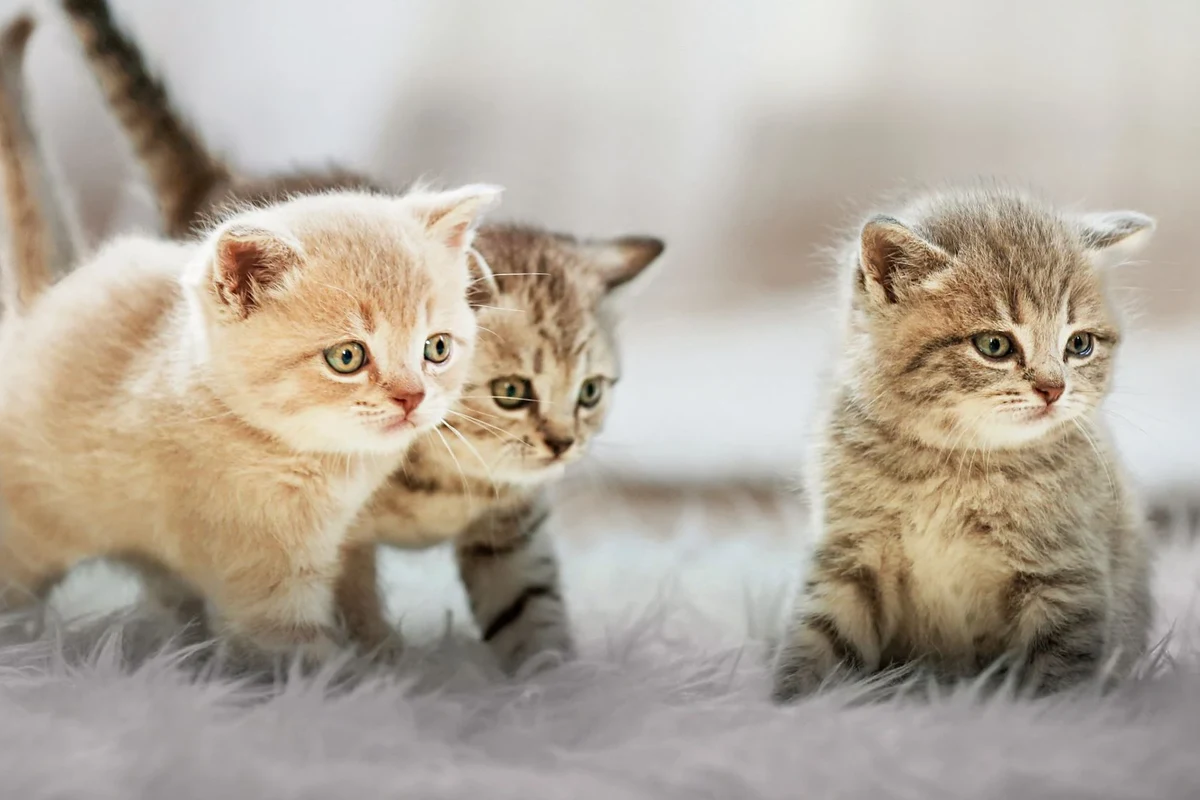
Call your veterinarian promptly if signs are sudden, severe, repeated, painful, linked to appetite, breathing, urination, weight loss, or involve a kitten or senior cat.
Preventing Kidney Disease in Cats: Practical Tips
While not all cases of kidney disease can be prevented, there are steps you can take to reduce the risk. This section will provide practical tips for promoting kidney health in your cat, including dietary considerations and routine veterinary check-ups. For related context, you may also want to read is iams proactive health good for cats.
Monitoring Your Cat’s Health: Tools and Techniques
Regular monitoring of your cat’s health is essential for early detection of potential issues. This section will explore tools and techniques you can use to keep an eye on your cat’s well-being, from home observation to veterinary assessments. This connects closely with is royal canin good for cat health if you want to compare the topic in more detail.
- Write down when the sign started and how often it happens.
- Check food, litter, behavior, energy, appetite, and water intake.
- Avoid home treatment or medication unless your veterinarian tells you to use it.
Dietary Considerations: Foods to Support Kidney Health
A balanced diet is crucial for maintaining kidney health in cats. The right foods can help support kidney function and overall health. In this section, we’ll discuss dietary options and considerations that can benefit your cat’s kidneys.
Hydration and Its Importance for Kidney Function
Staying hydrated is vital for your cat’s kidney health. Water plays a crucial role in flushing out toxins and maintaining kidney function. This subsection will provide tips on ensuring your cat remains adequately hydrated.
Supplements and Treatments for Kidney Health
In addition to diet, certain supplements and treatments can support kidney health. This section will cover the types of supplements available and how they can benefit cats with kidney issues.
Final Words
Understanding what are the symptoms of kidney disease in cats is essential for all cat owners. Early detection and intervention can significantly improve your cat’s quality of life. By being vigilant and proactive in monitoring your cat’s health, you can ensure that they receive the care they need in a timely manner. Remember, regular veterinary check-ups and a balanced diet are crucial in maintaining kidney health.
🐾 Sufiya Begom's Tip: Every cat is different, so I always watch my own cats closely before assuming the worst. Small changes in appetite, grooming, or energy often mean something simple is going on — but if anything feels off for more than a day, it is always worth a quick check with your vet. Trust your instincts as a cat owner.
Frequently Asked Questions
Start with intended use, fit, verified specifications, safety instructions, care needs, and important limitations.
Start with the cat’s age, health history, home environment, safety guidance, and the main reason behind the topic.
It can vary by kitten, adult, senior cat, breed, temperament, health condition, diet, stress level, and home setup.
Check food changes, litter changes, symptoms, behavior changes, product fit, cleaning routine, and veterinarian guidance when health is involved.
A common mistake is treating every cat the same instead of considering age, health, environment, stress, and safety risks.
Contact a veterinarian if signs are sudden, severe, repeated, painful, linked to appetite, breathing, urination, weight, or involve kittens or senior cats.