
Why do cats knead? If you have ever felt your cat pressing their paws into your lap, blanket, or stomach, you are not alone.
This soft, rhythmic motion—often called making biscuits—is one of the most common and most misunderstood cat behaviors.
At first, it looks cute. Then it gets confusing. Sometimes it hurts. Sometimes your cat purrs. Sometimes they drool. Many cat owners wonder if kneading means love, stress, comfort, or something else entirely.
The truth is simple but fascinating. Cat kneading is deeply rooted in instinct, emotion, and communication. It starts in kittenhood and stays for life.
In this guide, I will explain exactly why cats knead, what it means in different situations, when you should worry, and how to respond the right way—based on real feline behavior science, not myths.
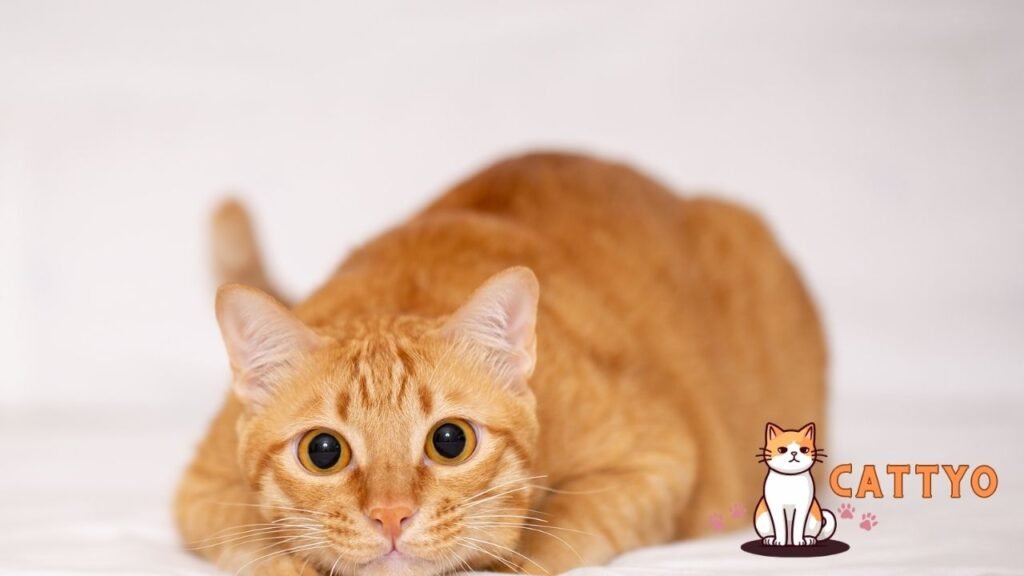
Why Do Cats Knead? (Meaning, Reasons & Signs)
Why do cats knead? Cats knead because it makes them feel safe, relaxed, and emotionally secure. This behavior comes from early kitten instincts and continues into adulthood as a comfort response.
Why Cats Knead
- It is a leftover instinct from kittenhood
- It shows comfort, trust, and emotional bonding
- It helps cats mark territory with scent glands
- It can reduce stress and anxiety
- It prepares a soft resting spot
Now let’s break down each reason in detail.
Why Do Cats Knead as Kittens? (Mother Bond Instinct)
Kneading starts very early in a cat’s life. When kittens nurse, they knead their mother’s belly to stimulate milk flow.
This motion creates warmth, safety, and nourishment. Over time, the brain links kneading with comfort and survival.
Even after cats grow up, their brain remembers kneading as a calming action.
Key Signs This Is the Reason
- Kneading happens while purring
- Eyes are half-closed or sleepy
- Kneading happens on soft surfaces
This is why adult cats knead blankets, pillows, or your lap. You remind them—emotionally—of their mother.
Why Do Cats Knead Humans? (Love, Trust & Bonding)
If your cat kneads you, that is a big deal. Cats do not knead just anyone. They knead places and beings they trust.
What Kneading You Means
- Your cat feels emotionally safe
- They see you as part of their family
- They associate you with comfort and warmth
In simple words: kneading is a sign of deep affection, even if it feels painful sometimes.
💡 Tip: Put a thick blanket on your lap if claws hurt. Never punish kneading—it can break trust.
Why Do Cats Knead Blankets and Soft Objects?
Cats prefer soft surfaces for kneading because it mimics:
- A mother cat’s fur
- Grass or leaves in the wild
- A warm sleeping nest
In the wild, cats knead grass or leaves to:
- Flatten the surface
- Check for danger
- Make a comfortable resting area
Your blanket? Same purpose. Just indoors.
Why Do Cats Knead and Purr at the Same Time?
When kneading and purring happen together, it means maximum relaxation.
Purring releases endorphins—natural “feel-good” chemicals. Kneading enhances this calming effect.
This combo usually means:
- Your cat feels happy
- Your cat feels safe
- Your cat is emotionally content
This is one of the strongest positive emotional signals a cat can give.
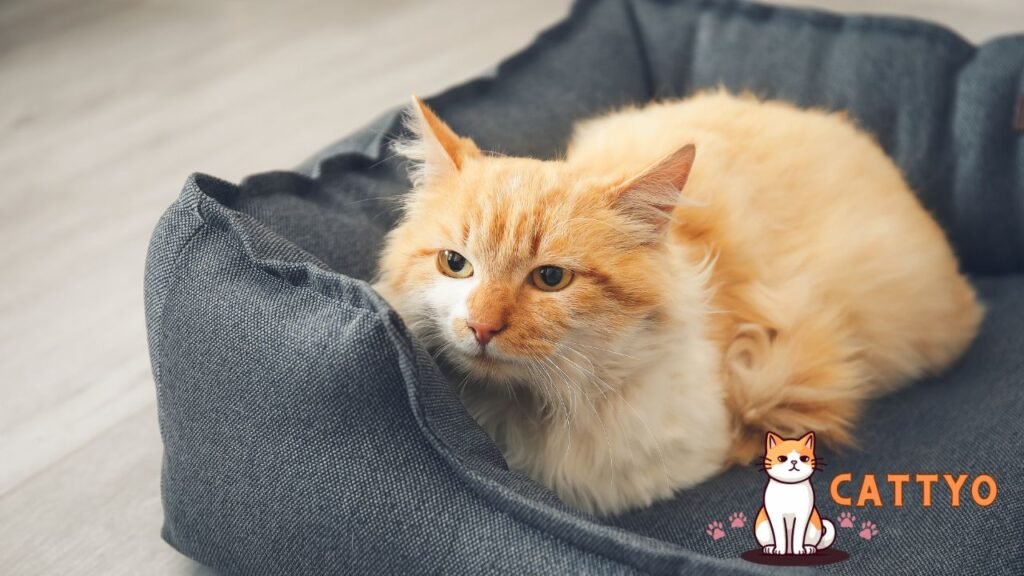
Why Do Cats Knead and Bite?
Sometimes kneading turns strange. Your cat kneads… then bites. This usually happens because of overstimulation.
Cats have sensitive nerves. Too much petting can flip their mood quickly.
Signs of Overstimulation
- Tail flicking
- Ears turning sideways
- Sudden biting or grabbing
This does not mean aggression. It means, “That’s enough.”
Why Do Cats Knead Before Sleeping?
Kneading before sleep is pure instinct.
In nature, cats knead to:
- Flatten grass
- Remove sharp objects
- Warm the surface
Today, your sofa or bed replaces the wild ground.
Kneading before sleep = preparing a safe sleeping space.
Why Do Cats Knead and Drool?
Drooling during kneading is rare but normal.
It usually means:
- Extreme comfort
- Strong emotional attachment
- Deep relaxation
This behavior often links back to kittenhood nursing memories.
Table Of Common Reasons Why Cats Knead
Most kneading behaviors are normal and healthy. Only excessive kneading with stress signs may need attention from a vet or behaviorist.
| Reason for Kneading | What It Means | Should You Worry? |
|---|---|---|
| Kitten instinct | Comfort and memory | No |
| Affection | Trust and bonding | No |
| Territory marking | Scent marking | No |
| Stress relief | Self-soothing | No |
| Hormonal behavior | Rare in unneutered cats | Sometimes |
Is Cat Kneading Ever a Problem?
In most cases, no. However, you should observe if kneading:
- Becomes obsessive
- Happens with hiding or aggression
- Appears after trauma or sudden changes
If so, stress or anxiety may be the cause.
How Should You React When Your Cat Kneads?
Best responses:
- Stay calm
- Redirect gently if claws hurt
- Use soft blankets
- Trim nails regularly
Never yell or push your cat away harshly. That can damage emotional trust.
FAQs About Why Do Cats Knead
1. Why do cats knead with claws out?
Cats extend claws because kneading activates natural muscle memory from kittenhood.
2. Do all cats knead?
Most cats knead, but some do it less depending on personality and early life experience.
3. Is kneading a sign of happiness?
Yes. Kneading usually means comfort, safety, and emotional satisfaction.
4. Why does my cat knead only me?
Your cat has chosen you as their trusted emotional bond.
5. Should I stop my cat from kneading?
No. Redirect gently if needed, but never stop the behavior completely.
6. Do male and female cats knead differently?
No major difference. Kneading is instinct-based, not gender-based.
Final Verdict: Why Do Cats Knead?
Why do cats knead? Cats knead because it brings comfort, emotional security, and instinctive satisfaction that starts in kittenhood and lasts a lifetime.
Know More:
- Cat Dental Care Guide – Healthy Teeth & Fresh Breath
- Top Brain Boosting Interactive Toys for Smart & Curious Cats
- Cat Eye Infection Symptoms
Author

Author

Mis Sufiya Begom
I'm Mis Sufiya Begom, a lifelong cat owner and the founder of Cattyo. I have spent years caring for my own cats and learning from veterinarians and fellow cat lovers along the way. I started this blog to help other cat owners find clear, practical, and caring answers for everyday cat questions. My goal is to help you and your cat live a happier, healthier life together. Join me as we explore everything there is to know about cats!
🐾 Sufiya Begom's Tip: Every cat is different, so I always watch my own cats closely before assuming the worst. Small changes in appetite, grooming, or energy often mean something simple is going on — but if anything feels off for more than a day, it is always worth a quick check with your vet. Trust your instincts as a cat owner.