
Cat eye infections usually show up as red, watery, or swollen eyes with discharge and visible discomfort. Most cats also squint, blink a lot, or keep one eye closed.
Cat Eye Infection Symptoms often start mild but can worsen fast if ignored. Common signs include redness around the eye, yellow or green discharge, and crust forming near the corners. Many cats rub their face on furniture or paws. Light sensitivity is common.
Some cats act tired or irritable. Appetite may drop. In some cases, sneezing or a runny nose appears at the same time.
This points to a wider infection. Kittens and senior cats are at higher risk. Stress and weak immunity can make symptoms worse. Early detection matters. Mild cases may clear quickly with care. Severe cases can damage vision.
Any change in eye appearance or behavior should be taken seriously. Early action protects comfort and eyesight.
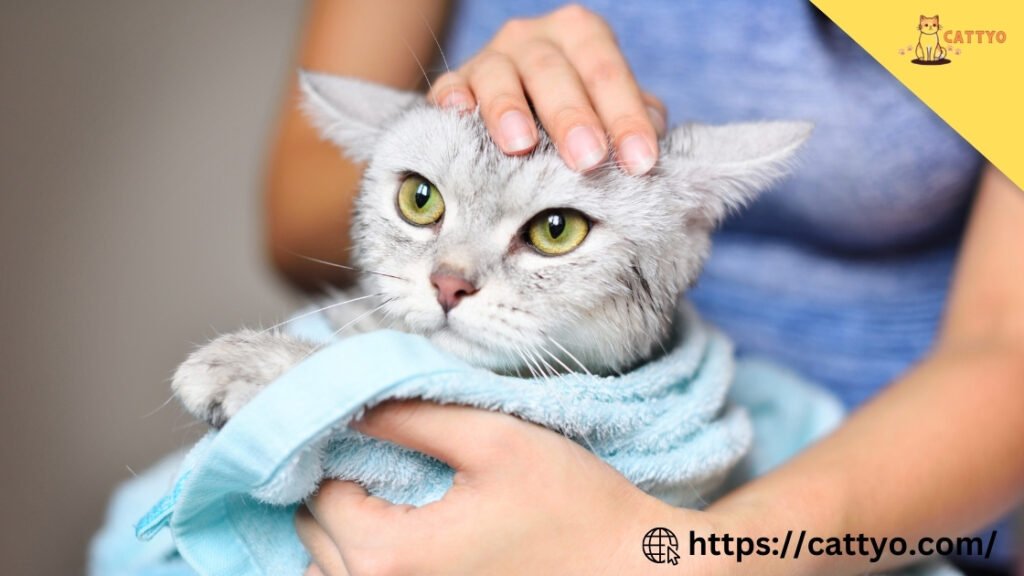
What Are the Most Common Cat Eye Infection Symptoms?
Cat eye infections can show a range of signs, from subtle changes you might barely notice to severe symptoms that need immediate attention.
Recognizing them early can help you act quickly and protect your cat’s vision. Here’s a clear breakdown for cat owners.
Early Symptoms to Watch For
These signs are usually mild and may appear gradually. Observe your cat daily, especially if they are young, older, or have a weakened immune system:
- Red or pinkish eyes: Look for slight redness around the iris or inner eyelid.
- Excess tearing or watery eyes: Check if your cat’s eyes look wet or shiny more than usual.
- Squinting or blinking frequently: Cats may partially close one or both eyes, especially in bright light.
- Crust or discharge in the corners: Light yellow or clear crust can build up overnight; gently wipe with a soft cloth to monitor.
- Rubbing or pawing at the eyes: Cats may swipe their face against furniture or their paws.
Observation Tip: Take photos of your cat’s eyes daily to track changes in redness, discharge, or swelling. This helps you notice subtle worsening.
Severe Symptoms That Require Veterinary Care
If early signs worsen or new issues appear, it may indicate a serious infection. Watch for:
- Thick yellow or green discharge: Indicates bacterial infection or inflammation.
- Swelling of eyelids or the eye itself: Can make the eye appear bulging or painful.
- Cloudiness or changes in eye color: Could be a sign of corneal damage.
- Persistent squinting or keeping the eye fully closed: Suggests significant discomfort.
- Sneezing, runny nose, or general lethargy: Sometimes accompanies eye infections, showing the infection may be systemic.
- Loss of appetite or unusual behavior: Cats may hide, avoid interaction, or stop grooming when uncomfortable.
Practical Tip: Use a gentle touch to lift the eyelid and check the eye without causing stress. If any severe symptom appears, contact a veterinarian immediately—early treatment can prevent lasting damage.
This clear distinction between early and severe signs helps cat owners respond appropriately and keep their pets safe.
Cat Eye Infection Squinting – What Does It Mean?
Squinting is one of the most noticeable signs that your cat’s eye may be infected. When a cat squints, it usually indicates discomfort, irritation, or pain in the affected eye. The eyelids may be partially closed, and your cat might blink more than usual or avoid bright areas.
There are a few main reasons a cat with an eye infection squints:
- Pain or irritation: Infections inflame the eye, making it sore. Even gentle touches can cause discomfort.
- Light sensitivity: Cats with eye infections may avoid sunlight or bright indoor lights. Squinting reduces the amount of light hitting the eye.
- Foreign material or discharge: Crust, mucus, or small debris can make the eye feel scratchy, prompting squinting.
Squinting is often accompanied by other symptoms such as redness, watery eyes, or discharge. If you notice your cat squinting, it’s a practical cue to check for Cat eye infection drops or other remedies recommended by a veterinarian.
When Squinting Becomes an Emergency:
Seek immediate veterinary attention if:
- The squinting is constant and severe.
- There is sudden swelling or bulging of the eye.
- You notice cloudy, green, or blood-tinged discharge.
- Your cat is hiding, refusing to eat, or showing signs of severe pain.
In these cases, squinting may indicate a serious infection or corneal injury that can threaten vision if not treated promptly. Observing your cat carefully and acting quickly ensures comfort and prevents long-term damage.
Cat Eye Infection Symptoms Sneezing – Are They Connected?
Sometimes, cats with eye infections also start sneezing. This happens because the eyes and nose are closely linked through the upper respiratory system.
When an infection affects the eyes, it can irritate the nasal passages, causing sneezing, nasal discharge, or congestion.
Viral infections are a common reason for this connection. Certain viruses can inflame both the eyes and the nose at the same time. Cats may have watery eyes, redness, and light crusting while also sneezing or having a runny nose.
This does not mean every cat that sneezes has a viral infection—it simply shows why eye and respiratory symptoms often appear together.
Other contributing factors include allergens or irritants in the environment, like dust, smoke, or strong scents. Cats may rub their eyes and nose, sneeze more, or act irritable due to discomfort.
Observing patterns—such as when sneezing happens and if eye discharge increases—can help you manage the situation effectively.
Practical Tip: Keep your cat’s living area clean and free from dust. Gently wipe eyes and nose with a soft, damp cloth to remove discharge.
Warning: If sneezing is frequent, accompanied by thick green or yellow discharge, swelling around the eyes, or loss of appetite, contact a veterinarian promptly. Ignoring these signs can allow infections to worsen, potentially affecting both comfort and overall health.

Causes of Cat Eye Infections
Understanding what causes eye infections in cats helps owners spot problems early and take the right action.
Most infections fall into three main categories: bacterial, viral, and allergy-related. Each type shows slightly different symptoms and triggers, so observing your cat’s behavior can give valuable clues.
Bacterial Causes
Bacterial infections are one of the most common reasons cats develop eye problems. They often occur when harmful bacteria enter the eye through small scratches, dust, or contaminated surfaces.
- Examples owners may notice: A cat rubbing its eye after playing outside, a scratch from another cat during a fight, or a dusty litter box.
- Typical signs: Thick yellow or green discharge, redness, swelling, and sometimes a foul smell.
- Practical insight: Bacterial infections can worsen quickly, so prompt veterinary care and prescription eye drops are usually required.
Viral Causes
Viral infections can inflame the eyes and surrounding tissues. These infections sometimes also affect the nose and throat, which is why sneezing and watery eyes often appear together.
- Examples owners may notice: A kitten from a shelter showing both watery eyes and mild sneezing, or an adult cat exposed to other sick cats in multi-cat households.
- Typical signs: Clear or slightly yellow discharge, squinting, eye redness, and sometimes lethargy.
- Practical insight: While mild viral eye issues can sometimes improve at home with supportive care, severe or persistent symptoms require professional attention.
Allergy or Irritation Causes
Not all eye issues are infections. Allergies and environmental irritants can cause inflammation that looks like an infection.
- Examples owners may notice: Eyes watering after exposure to pollen, dust, smoke, or strong cleaning products. Cats may rub their face against furniture or windowsills.
- Typical signs: Redness, watery eyes, and mild squinting without thick discharge.
- Practical insight: Identifying triggers and reducing exposure often improves symptoms quickly. Over-the-counter eye drops may help, but persistent symptoms should be checked by a vet.
By recognizing the cause—bacterial, viral, or allergy—owners can better manage their cat’s eye health. Observation of behavior and environment plays a key role in prevention and early intervention.
How to Treat My Cat’s Eye Infection at Home
Some mild eye infections in cats can improve with careful at-home care. However, home treatment is only supportive and cannot replace veterinary attention. If your cat’s symptoms worsen or don’t improve within a day or two, always consult a veterinarian.
DO: Safe Supportive Care
- Keep the eye clean: Gently wipe discharge with a soft, damp cloth or sterile saline solution.
- Use a calm environment: Reduce stress by keeping your cat in a quiet, safe space.
- Monitor symptoms closely: Take note of changes in redness, discharge, or squinting.
- Apply prescribed treatments properly: Only use eye drops or ointments recommended by your veterinarian.
- Wash hands after contact: Prevent spreading bacteria or viruses to other pets.
DO NOT: Unsafe Practices
- Do not use human eye drops: Many contain ingredients harmful to cats.
- Do not apply unverified home remedies: Honey, milk, or essential oils can irritate or worsen infection.
- Do not force your cat’s eye open: This can cause pain or injury.
- Do not ignore worsening symptoms: Thick yellow or green discharge, swelling, cloudiness, or sudden squinting are red flags.
Practical Observation Tips
- Observe your cat’s behavior multiple times a day for subtle changes.
- Keep a photo log of the eye’s appearance to track improvement or deterioration.
- Limit outdoor exposure until the eye is fully healed to reduce infection risk.
Disclaimer: Home care can help with mild symptoms, but any persistent, severe, or spreading eye infection requires a veterinarian’s evaluation. Early professional treatment prevents long-term damage and ensures your cat’s comfort and safety.
This approach ensures supportive care is safe, practical, and focused on your cat’s well-being.
Cat Eye Infection Drops – When Are They Needed?
Cat eye infection drops are often used to reduce irritation, control infection, and support healing. However, not all eye drops are safe for cats, and knowing when to use them is crucial.
Over-the-Counter (OTC) Drops
Some mild eye drops, like sterile saline or artificial tears, can help flush debris and keep the eye moist. These are generally safe for short-term use in cats showing mild redness or watery eyes. They do not treat bacterial or viral infections, but can provide temporary relief from irritation.
Practical tip: Always check the label for ingredients. Avoid drops containing antihistamines, steroids, or human medications unless prescribed by a vet.
Prescription Eye Drops
Veterinarians may prescribe drops or ointments containing antibiotics, antivirals, or anti-inflammatory ingredients.
These are used when an infection is moderate to severe, or when home care alone is insufficient. Prescription drops target the specific cause of infection and help prevent complications such as corneal damage or spreading of infection.
Safety Warnings
- Never use human eye drops on cats without veterinary approval. Many ingredients are toxic to felines.
- Avoid “natural” or home-made remedies in the eye; they can worsen irritation or introduce bacteria.
- Always follow dosage instructions carefully. Overuse can harm the eye or delay healing.
- Watch for worsening symptoms. If discharge becomes thick, colored, or the eye swells, stop home care and see a vet immediately.
Observation Tip: Apply drops gently while keeping your cat calm. Using a towel to lightly wrap the cat can help prevent sudden movements and injury.
Eye drops can be an effective part of care when used safely, but proper veterinary guidance is essential to ensure your cat’s eye infection heals fully without complications.
Comparison: Cat Eye Infection Treatments
| Treatment Type | Use Case | Benefits | Risks | When to Choose |
|---|---|---|---|---|
| Home Care | Mild irritation, early symptoms, watery or slightly red eyes | Gentle, non-invasive, reduces discomfort, supports healing | Cannot treat bacterial or viral infections; may delay proper treatment if symptoms worsen | When symptoms are mild and monitored closely; for short-term relief while awaiting vet advice |
| Eye Drops | Mild to moderate infections; prescribed drops for bacterial/viral infections | Targets infection, reduces inflammation, soothes irritation | OTC drops may not treat infection; prescription misuse can harm eyes; improper application can injure eye | When vet recommends drops or for temporary relief with safe OTC drops under guidance |
| Vet Treatment | Moderate to severe infections, persistent or worsening symptoms, systemic involvement | Accurate diagnosis, targeted medication, prevents complications, protects vision | Cost, stress of vet visit | When symptoms are severe, persistent, involve thick discharge, swelling, squinting, or sneezing; any red flag signs |
This table helps cat owners quickly compare options and decide on safe, effective care while emphasizing when professional veterinary treatment is necessary.
Can Cat Eye Infection Spread to Humans?
Yes, certain cat eye infections can spread to humans, but the risk is generally low and manageable.
The primary concern is a bacterial infection called Conjunctivitis, often caused by Chlamydia felis or Mycoplasma, and less commonly, parasites or fungal agents.
Transmission typically requires direct contact with infected discharge from the cat’s eye.
It is not an airborne disease. You are most at risk if you touch an infected cat’s eye secretions and then rub your own eyes without washing your hands first.
Children, the elderly, and immunocompromised individuals should be extra cautious.
Simple Hygiene is Key:
- Always wash your hands thoroughly with soap and water after handling a cat with eye issues, especially before touching your face.
- Avoid close contact between the cat’s face and your own eyes.
- Promptly clean any discharge from your cat’s eyes using disposable gloves or a clean cloth, and wash your hands afterwards.
- Seek veterinary care for your cat immediately. Treating the infection in your pet is the most effective way to protect everyone.
By practicing good hygiene and seeking timely veterinary care, you can safely care for your cat and effectively minimize any health risk.
When to See a Vet for Cat Eye Infection Symptoms
Monitor your cat closely for any eye issues. Below is a guide to help you determine the urgency and take the correct action.
Seek Emergency Veterinary Care Immediately (Go to ER)
If you notice any of the following signs, treat it as an emergency:
- Visible injury or trauma to the eye area (puncture, scratch).
- The eyeball is protruding or looks out of its socket.
- Sudden, severe squinting or inability to open the eye.
- Extreme sensitivity to light.
- Signs of intense pain: vocalizing, hiding, or not eating.
Schedule a Non-Emergency Vet Visit (Call Your Vet Within 24-48 Hours)
For these persistent symptoms, a prompt appointment is necessary:
- Discharge that is yellow, green, or thick and crusty.
- Persistent redness in the white of the eye or eyelids.
- Cloudiness, haze, or a change in eye color.
- A visible third eyelid (a white or pink membrane) covering part of the eye.
- Watery eyes or mild squinting lasting more than a day.
- Frequent pawing or rubbing at the eye.
Clear Action Steps to Take:
- Do NOT delay with emergency signs—go directly to an emergency vet clinic.
- Never administer human medication (eye drops or ointments), as they can be toxic.
- Prevent rubbing by using an Elizabethan collar (cone) if your cat is scratching.
- Gently clean any discharge from the fur with a soft, damp cloth, using a different area for each eye.
- Schedule the appointment for non-emergency symptoms and note all changes to tell your vet.
Prompt veterinary attention protects your cat’s vision and overall health. When in doubt, it is always safer to consult your veterinarian.
Prevention Tips to Avoid Cat Eye Infections
- Maintain a consistent and up-to-date vaccination schedule for your cat, as some viruses can cause eye issues.
- Reduce household irritants like strong chemical cleaners, aerosols, dust, and cigarette smoke.
- Trim long facial fur regularly to prevent hairs from poking and irritating the eyes.
- Keep your cat indoors to minimize exposure to fights, injuries, and contagious diseases from other animals.
- Clean your cat’s living area frequently to reduce dust, mold, and bacteria buildup.
- Provide a stress-free environment with hiding places and vertical space, as stress can weaken the immune system.
- Use a damp, soft cloth to gently wipe away any normal eye discharge or debris from the fur.
- Ensure your cat has a healthy diet with adequate vitamins (like Vitamin A) to support overall immune and eye health.
- Wash your hands before and after handling multiple cats to prevent cross-contamination.
- Schedule regular wellness exams with your veterinarian to catch potential health issues early.
FAQs
Q: What are the first signs of an eye infection in a cat?
The most common first signs include clear or colored discharge, increased blinking or squinting, redness in the white of the eye, and watery eyes. Your cat may also paw at its face.
Q: Can a cat’s eye infection heal on its own?
While mild irritation may resolve, a true infection typically requires veterinary-prescribed medication. Delaying treatment can risk the infection worsening or causing permanent damage to the eye.
Q: How can I tell if my cat’s eye is an emergency?
Seek emergency care immediately if you see sudden bulging of the eyeball, a visible wound, severe pain (hiding, vocalizing), or the complete inability to open the eye. These are critical signs.
Q: Is cat eye discharge always a sign of infection?
No, occasional clear discharge can be normal. However, persistent or colored (yellow, green) discharge, especially with redness or squinting, strongly indicates an infection or other medical issue needing a vet visit.
Final Words on Cat Eye Infection Symptoms
Your cat’s eyes are delicate windows to its health, and noticing changes early is your greatest advantage.
Recognizing the key cat eye infection symptoms—like unusual discharge, redness, squinting, or cloudiness—allows you to take prompt action. While some irritation may be minor, true infections require professional care to protect your cat’s vision and comfort.
The most important step you can take is simple: don’t wait. A timely veterinary visit can quickly resolve most issues with safe, effective treatment and prevent minor problems from becoming serious.
By staying observant and prioritizing care, you ensure your feline friend remains bright-eyed and healthy for years to come. When in doubt, always trust your vet for guidance.
Know More:
- Cat Dental Care Guide – Healthy Teeth & Fresh Breath
- Top Brain Boosting Interactive Toys for Smart & Curious Cats
Author

Author

Mis Sufiya Begom
I'm Mis Sufiya Begom, a lifelong cat owner and the founder of Cattyo. I have spent years caring for my own cats and learning from veterinarians and fellow cat lovers along the way. I started this blog to help other cat owners find clear, practical, and caring answers for everyday cat questions. My goal is to help you and your cat live a happier, healthier life together. Join me as we explore everything there is to know about cats!
🐾 Sufiya Begom's Tip: Every cat is different, so I always watch my own cats closely before assuming the worst. Small changes in appetite, grooming, or energy often mean something simple is going on — but if anything feels off for more than a day, it is always worth a quick check with your vet. Trust your instincts as a cat owner.